
Primos Alpha Dogg Electronic Predator Call – PRO Review
Bottom line: the Primos Alpha Dogg is still worth a real look if you want a loud, remote-operated predator call built around stand control rather than pocket-size convenience. The right way to judge it is not “does it have the newest remote on the shelf?” It is whether it helps you put sound away from your body, pull a coyote’s eyes off your setup, and run a cleaner sequence when the wind and terrain give you a window.
This refresh keeps the Alpha Dogg as the reviewed product, then uses the alternatives as context. If you came here for the Primos call specifically, the short version is simple: it makes the most sense for hunters who call open ground, field edges, pasture corners, frozen creek bottoms, and other places where speaker placement and volume matter more than shaving every ounce from the pack.
Quick take: who should buy the Alpha Dogg?
The Alpha Dogg fits the hunter who wants to set the caller 25 to 60 yards away, settle into the rifle or shotgun, and let the sound source become the focus of the stand. That separation is the whole point. Coyotes, foxes, and bobcats often come in trying to find the sound, and a remote caller gives you a chance to make them look somewhere other than your knees.
Recommended predator caller options
Start with the ranked cards for the buying decision. The Primos Alpha Dogg stays first because this is a product review, not a generic roundup. The other callers are included as practical alternatives if your priority is compact carry, a more advanced remote, a simpler remote caller, or a handheld backup.
Predator Caller Picks for This Review
Managed product recommendations chosen around caller range, remote simplicity, packability, and field-use fit.
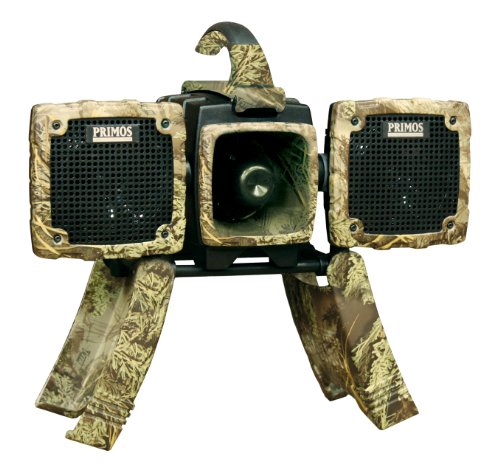 Primos
 Hunting 3756 Alpha Dogg Electronic Predator Call
Directional speaker layout, remote operation, and proven predator sounds make it the reference point for this refresh.
As an Amazon Associate, ProHuntingHacks may earn from qualifying purchases.
 FOXPRO
 Hellcat American Made Electronic Predator Call
A strong alternative when you want a compact programmable caller with a large sound capacity.
As an Amazon Associate, ProHuntingHacks may earn from qualifying purchases.
 FOXPRO
 Hellcat PRO Electronic Predator Call
Adds a more advanced remote setup and features suited to hunters who build repeatable calling sequences.
As an Amazon Associate, ProHuntingHacks may earn from qualifying purchases.
 Icotec
 Model 300 Predator Caller
Keeps the setup simple while still giving you remote placement away from the shooter.
As an Amazon Associate, ProHuntingHacks may earn from qualifying purchases.
 Cass Creek
 Ergo Electronic Predator Call
The handheld format is easy to stash and simple enough for quick distress or howl sequences.
As an Amazon Associate, ProHuntingHacks may earn from qualifying purchases.
Alpha Dogg field performance: what actually matters
The Alpha Dogg’s value shows up before you ever press play. A caller like this lets you set the sound in a place that improves the geometry of the stand: slightly crosswind, visible enough that a predator has to expose itself, and far enough from your body that small mistakes with your rifle, chair, or facemask do not automatically become the center of attention.
That matters most on pressured ground. A coyote that has heard sloppy calling before may not sprint into the open, but it still has to solve the sound. If the speaker is sitting off your position, you can watch the edge, the downwind swing, or the gap it has to cross instead of trying to hide every twitch while the animal stares through you.
Sound, volume, and sequencing
The Alpha Dogg is not just a “make it loud” tool. Volume is useful in wind, across cut fields, and on big pasture stands, but most hunters get more from controlled changes than from running the speaker wide open. Start lower than you think, let the first sound breathe, and save the higher volume for reaching or for moments when the stand needs more energy.
For normal predator work, a simple sequence beats button chaos: a distress sound, a pause, a change in tone, another pause, then a pup or coyote vocal only when the stand calls for it. The remote matters because it lets you make those changes without mouth-call movement at exactly the wrong time.
Remote placement and stand discipline
The biggest practical reason to choose the Alpha Dogg over a handheld caller is that you can separate the sound from the shooter. I like that most when the caller can sit slightly forward and crosswind, with the hunter tucked where the downwind check is visible. If a coyote tries to swing, you have a better chance of seeing the move before it gets your wind.
Do not bury the caller in brush just because you want to hide it. Predators are already hunting the sound. Your job is to make them hunt it through a lane, around a corner, across a two-track, or along a field edge where you can actually read the approach.
What to like about the Primos Alpha Dogg
- Remote sound placement: the core advantage is getting predator attention away from your body and weapon movement.
- Enough presence for open stands: it is better suited to wind, pasture, and field-edge calling than tiny pocket callers.
- Predator-focused sound workflow: the product is built for distress, howls, pup sounds, and predator sequences rather than general outdoor audio.
- Good learning platform: newer callers can hear cadence, volume changes, and pauses without trying to master mouth calls first.
- Still useful as a dedicated coyote tool: especially for hunters who mostly call from planned setups instead of constantly moving with a tiny pack.
Where the Alpha Dogg is not perfect
- Pack bulk: it is not the caller I would choose if every stand starts with a long walk and a minimalist pack.
- Battery routine: electronic calls punish disorganized hunters. Keep fresh batteries staged and check the remote before leaving the truck.
- Remote familiarity: a remote caller only helps if your hand knows the buttons before eyes show up.
- Thick-cover limits: in brush, sound separation still matters, but you have to avoid placing the speaker where predators can hit it invisibly.
How I would use it on a coyote stand
- Place it before you settle in. Put the caller where an approaching animal has to show itself before it reaches the sound.
- Start with restraint. Begin lower, especially if you walked in quietly and expect close coyotes.
- Build the stand in chapters. Distress, pause, different distress, pause, then coyote vocals only if the stand needs that pressure.
- Watch the downwind escape route. The caller pulls attention, but the wind still makes the decision.
- Pack it consistently. Keep caller, remote, spare batteries, and any decoy/tail accessory in the same pouch every time. Dead-battery rodeos are not a hunting strategy.
Alternative predator callers worth comparing
The alternatives are not here to bury the Alpha Dogg. They are here to make the buying decision honest. A FOXPRO-style compact caller can make more sense for run-and-gun sets. A feature-rich remote can be better for hunters who want more programmable control. A simple remote caller or handheld backup can be enough if your needs are basic.
Predator caller comparison recap
Use this table as the lower article recap, not as the lead buying module. By this point you should know whether the Alpha Dogg’s size and remote-placement value fit your hunting style.
Predator Caller Comparison Table
Use this lower recap to compare the Alpha Dogg against compact, advanced-remote, simple-remote, and handheld alternatives after the review context.
| Product | Best Use | Why It Wins | Amazon |
|---|---|---|---|
| Primos Hunting 3756 Alpha Dogg Electronic Predator CallReviewed Call | Hunters who want the original Alpha Dogg style and familiar Primos sound library. | Directional speaker layout, remote operation, and proven predator sounds make it the reference point for this refresh. | View on Amazon |
| FOXPRO Hellcat American Made Electronic Predator CallCompact Upgrade Pick | Run-and-gun coyote, fox, crow, and hog sets where portability matters. | A strong alternative when you want a compact programmable caller with a large sound capacity. | View on Amazon |
| FOXPRO Hellcat PRO Electronic Predator CallFeature-Rich Pick | Longer sits where remote visibility, battery planning, and sound control are priorities. | Adds a more advanced remote setup and features suited to hunters who build repeatable calling sequences. | View on Amazon |
| Icotec Model 300 Predator CallerSimple Remote Pick | Straightforward predator sets where remote range and quick sound changes matter more than extra menus. | Keeps the setup simple while still giving you remote placement away from the shooter. | View on Amazon |
| Cass Creek Ergo Electronic Predator CallHandheld Backup | Backup calling, short sits, and hunters who want a small sound caller in the pack. | The handheld format is easy to stash and simple enough for quick distress or howl sequences. | View on Amazon |
Final verdict
The Primos Alpha Dogg remains a credible electronic predator call when the job is remote sound placement with enough output for real coyote country. It is not the smallest or most modern-feeling option, so hunters who prioritize packability or advanced remote features should compare the alternatives above. But if you want the Alpha Dogg specifically, the reason to own it is clear: separate the sound from your position, manage the stand with the remote, and make predators commit where you can see them.
Editorial note: this review copy intentionally avoids fragile live price or stock claims. Always confirm final product details on the retailer page before buying.