
Electronic predator calls and mouth calls both work on coyotes, foxes, and bobcats, but they solve different field problems. An electronic call makes sound placement and repeatability easier. A mouth call gives you cheap, compact, hands-on control. The best choice depends less on which one is “louder” and more on how you hunt the stand.
Fast answer
Choose an electronic predator call if you are new, hunt at night, or want the sound source away from your body. Choose mouth calls if cost, packability, and real-time control matter most. Carry both once you understand how coyotes approach your setups.
Two simple call options to anchor the comparison
Use the electronic caller as the remote-sound baseline and the mouth call as the pocket-control baseline. The better choice depends on movement risk, stand distance, and how much calling control you want.
| Product | Best Use | Why It Wins | Amazon |
|---|---|---|---|
 ICOtec Model 300 Predator CallerElectronic-call baseline | Beginners, night setups, and stands where the sound source should sit away from the shooter. | It keeps attention off the hunter, repeats sounds consistently, and makes remote placement simple. | View on Amazon |
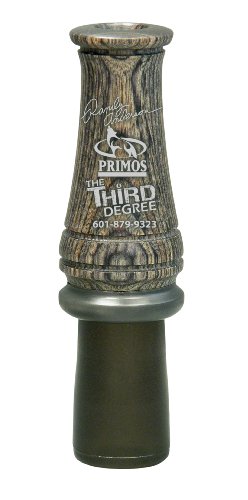 Primos Third Degree Cottontail Predator CallMouth-call baseline | Low-cost daytime stands, close-range calling, and hunters who want full hands-on control. | It is compact, inexpensive, weather-simple, and lets an experienced caller shape urgency in real time. | View on Amazon |
ICOtec
ICOtec Model 300 Predator Caller
It keeps attention off the hunter, repeats sounds consistently, and makes remote placement simple.
As an Amazon Associate, ProHuntingHacks may earn from qualifying purchases.
Primos
Primos Third Degree Cottontail Predator Call
It is compact, inexpensive, weather-simple, and lets an experienced caller shape urgency in real time.
As an Amazon Associate, ProHuntingHacks may earn from qualifying purchases.
Electronic predator calls vs mouth calls: quick comparison
This is the practical split. Electronic callers reduce hunter movement and put the sound where you want the animal looking. Mouth calls are simpler and more expressive, but the sound comes from your face, so movement discipline matters.
| Scenario | Better call | Why |
|---|---|---|
| New hunter learning coyote stands | Electronic call | It reduces movement, gives repeatable sounds, and lets the hunter watch downwind instead of managing breath and cadence. |
| Tight cover or short walk-in sets | Mouth call | It weighs almost nothing and can make quick, subtle sounds without carrying a speaker and remote. |
| Night hunting with a scanning light | Electronic call | Remote placement separates the coyote’s eyes from the hunter’s light, rifle, and body movement. |
| Cold, wet, or dead-battery conditions | Mouth call backup | A reed call still works when electronics, remotes, or batteries get awkward. |
| Pressured coyotes near farms or roads | Both | Start with clean electronic sequences, then use hand calls sparingly for realism or a finishing sound. |
Where electronic predator calls are better
Field setup rule
Do not set the speaker at your boots. Put the sound where you want the animal looking, then guard the downwind side before you ever start the sequence.
Electronic calls are strongest when you need separation between the hunter and the sound. Put the caller crosswind or slightly upwind, settle into the rifle or tripod, and let the coyote focus on the speaker instead of your hands, breath, or head movement.
- Remote placement helps pull eyes away from the shooter.
- Consistent volume and sound loops reduce beginner mistakes.
- Night hunters can scan and hold still while the call runs.
- Multiple sounds make it easier to test prey distress, coyote vocals, and pup distress without changing calls.
If your setup is built around night hunting, pair this comparison with the night coyote hunting setup guide and the coyote hunting lights guide. Light discipline and caller placement work together.
Where mouth calls are better
Mouth calls win on simplicity. They fit in a pocket, cost less, and do not care about remotes or batteries. A skilled caller can add panic, pauses, whimpers, and subtle emotion that a preset loop can miss.
- Lower cost and less gear to carry.
- Instant sound changes without touching a remote.
- Excellent backup if electronics fail.
- More natural variation in the hands of a practiced caller.
Movement penalty
The weakness is not sound quality. It is movement. When a coyote is close, raising a call, turning your head, or changing hand position can matter more than the call type.
Which is better for beginners?
Most beginners should start with an electronic predator call if budget allows. The caller handles cadence while the hunter learns wind, approach routes, setup distance, and shot timing. Mouth calls are still worth learning, but they add one more skill while the beginner is already trying to stay hidden and read the stand.
Which is better for night hunting?
Electronic calls usually win at night. The remote sound source keeps incoming eyes away from the hunter, which matters when you are scanning, managing a light, and trying not to swing the rifle too early. Mouth calls can still finish a stand, but they demand cleaner movement control.
Which sounds more realistic?
A good mouth caller can sound more alive than a basic loop. A good electronic caller can sound more consistent than a shaky beginner. Realism is not just the sound file or reed. It is volume, timing, wind, and whether the coyote catches you moving when it comes to inspect the noise.
When to carry both
The strongest setup is often both: an electronic caller for the main sequence and one or two mouth calls for backup, soft coaxing, or a different texture after a stand goes quiet. If coyotes have heard common electronic sounds on pressured ground, a short hand-call sequence can be enough to make the setup feel different.
For more call-specific buying options, use the best coyote calls guide. If your stands involve longer shots, also check your aiming system against the rifle scope guide before blaming the call.
Common setup mistakes
Mistake to avoid
Do not treat call type as a shortcut around stand discipline. Bad wind, too much movement, and a poor backstop ruin both electronic callers and mouth calls.
- Putting an electronic caller too close to your body.
- Calling too loud immediately in tight cover.
- Letting the remote or hand call create visible movement.
- Ignoring the downwind side because the sound is straight ahead.
- Buying more sounds before learning better stand selection.
FAQ
Can you call coyotes with only mouth calls?
Yes. Many hunters call coyotes with only mouth calls. The tradeoff is that you must manage movement, breath, volume, and cadence yourself.
Are electronic predator calls legal everywhere?
No. Rules vary by state, season, species, and land type. Check current local regulations before using electronic calls, especially for big game, night hunting, or public land.
Do coyotes get used to electronic calls?
They can get conditioned to common sounds and sloppy setups. Change volume, stand location, timing, and sound selection before assuming the caller itself is the problem.
Final recommendation
If you want the easiest path into coyote calling, buy or borrow a simple electronic predator call and learn stand placement first. If you want the cheapest, lightest, most controllable setup, learn one open-reed or closed-reed mouth call. If you hunt often, carry both. The caller gets attention; the setup kills the coyote.