
As an Amazon Associate I earn from qualifying purchases.
The best boot dryer for waders, gloves and tall hunting boots is the one whose ports reach all the way into your gear. For most hunters that is the DryGuy Force Dry DX: four ports, forced air and a heat/no-heat switch dry two pairs of boots, or boots and gloves, in one to three hours.
Wet hunting gear is not one drying problem. Gloves need air through narrow fingers and insulated cuffs. Rubber boots hold water deep in the toe box. Tall boots and waders create a long air path that short dryer posts never reach. The right pick depends on what you dry, how soon you need it again and where you are.
| Product | Best for | Our rating | |
|---|---|---|---|
 DryGuy Force Dry DX | Best overallFour forced-air ports, heat/no-heat switch and a 3-hour timer | ★★★★½ 4.5/5 | Check price |
 PEET Multi Dryer | Boots and gloves togetherSilent convection with built-in Glove DryPorts and a 25-year warranty | ★★★★½ 4.5/5 | Check price |
 PEET Wader Dryer | Complete wader dryerTwo sets of 12-inch extensions included, 42.5 inches tall | ★★★★½ 4.5/5 | Check price |
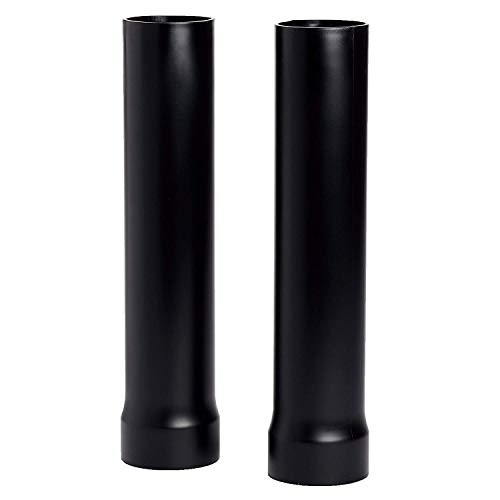 PEET 12-Inch DryPort Extensions | Attachment for PEET ownersOne pair reaches hip waders, two pairs reach chest waders | ★★★★☆ 4/5 | Check price |
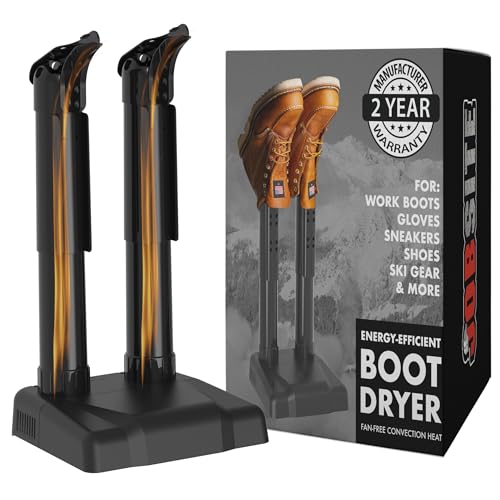 JobSite Silent Boot Dryer | Simple overnight dryerFanless 36-watt station with no moving parts to wear out | ★★★★☆ 4/5 | Check price |
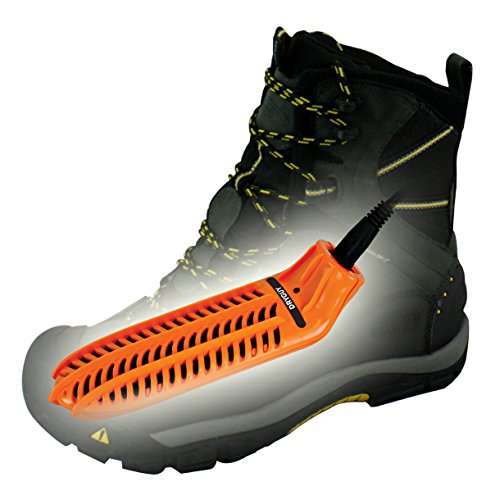 DryGuy Travel Dry | Portable pickPacks inside a boot for camp, motel or truck | ★★★½☆ 3.5/5 | Check price |
The star ratings are our own editorial scores for how well each dryer or attachment handles a hunter’s mix of boots, gloves and waders, based on the maker’s listed capacity, airflow, reach and controls. We did not lab-test these units, and we checked that all six were available in November 2026.
Match the Dryer to the Gear, Not the Product Name
A boot dryer can be excellent for ankle-height boots and still be a poor match for chest waders. Air has to enter the item and move through the damp interior instead of escaping around a loose opening. Before buying, compare port length, supported attachments, capacity, heat settings and material compatibility with the exact gear you own.
Forced-air dryers are the practical choice when you hunt back-to-back days, rotate several pairs or come in with soaked gloves. Passive convection is slower but silent and simple, and it suits a routine where gear goes on the dryer after the evening hunt and stays there until morning.
Tall gear needs the most care. Extension tubes must fit the dryer base and leave a clear, stable air path, so treat every attachment as brand-specific, never as a universal adapter. Confirm the dryer family, the number of extensions and your wader height before you order.
How We Chose These Dryers and Attachments
We built the list around six hunting jobs instead of ranking six near-identical racks: fast mixed-gear drying, silent boots-and-gloves drying, a complete wader dryer, a reach upgrade for an existing base, a simple one-pair overnight station and a portable dryer for camp.
For each pick we compared the maker’s listed capacity, airflow method, controls, compatible gear and stated limits, then scored fit to those jobs. We did not use price or durability claims we could not check. Your boot, glove and wader makers’ care instructions still come first.
DryGuy Force Dry DX: Best Overall
DryGuy Force Dry DX
Four forced-air ports for boots and gloves in one to three hours
A central blower feeds four drying ports, enough for two pairs of footwear or boots plus gloves, with a heat/no-heat switch and a three-hour automatic shutoff.
The DryGuy Force Dry DX pairs four drying ports with a central forced-air blower, so it can dry two pairs of footwear at once or split the rack between boots and gloves. A heat/no-heat switch and a three-hour automatic shutoff let you match the cycle to the material, and the maker lists a one-to-three-hour dry time.
It is the best fit for consecutive hunting days, family gear or a season when boots come in soaked rather than damp. For waders, DryGuy sells a 41-inch DryGuy DX Wader Adaptor that turns the DX into a hip and chest wader dryer, so one base covers the whole mudroom.
PEET Multi Dryer: Best for Boots and Gloves Together
PEET Multi Dryer
Silent overnight drying with glove ports built right in
Passive convection dryer with built-in Glove DryPorts for one pair of boots plus gloves per cycle, 36 watts, made in the USA and compatible with PEET's 12-inch extensions.
The PEET Multi Dryer uses silent passive convection and has built-in Glove DryPorts. That matters because gloves slump over ordinary boot tubes and choke their own airflow; a supported glove port keeps the cuff open while the boots sit on the main ports. It draws 36 watts and carries a 25-year warranty.
Its strength is routine, not speed: one pair of boots and one pair of gloves go on after the hunt and come off dry in the morning. It also accepts PEET’s 12-inch extensions, so you can add reach for tall boots later. Pair it with good hunting gloves that you rotate on two-day hunts.
PEET Wader Dryer: Best Complete Wader Dryer
PEET Wader Dryer
A complete wader dryer with both extension sets in the box
Silent convection base with two sets of 12-inch DryPort extensions, 42.5 inches tall for chest waders; remove the extensions and it dries everyday boots.
The PEET Wader Dryer is the simplest answer if you do not already own a dryer: it ships with two sets of 12-inch DryPort extensions, raising the total height to 42.5 inches. Use one set for hip waders and tall boots, both for chest waders. The maker lists a three-to-eight-hour silent dry with no fan.
Take the extensions off and it works as a standard two-boot dryer for everyday footwear. The trade-off is capacity: it handles one pair at a time and has no glove ports built in, so a household drying gloves every night may still want a second, multi-port unit.

PEET 12-Inch DryPort Extensions: Best Attachment for PEET Owners
PEET 12-Inch DryPort Extensions
Adds 12 inches of reach to a PEET base you already own
One pair of stackable extension tubes per package: one pair for tall boots and hip waders, two pairs for chest waders. Fits PEET Original, XL, Wader, Multi, Advantage and Propane models.
The PEET 12-Inch DryPort Extensions are the reach upgrade for hunters who already have a compatible PEET base. Each package holds one pair. The listing is clear about the count: one pair for boots over 11 inches and hip waders, two pairs for chest waders. They fit PEET Original, XL, Wader, Multi, Advantage and Propane models.
Short posts warm the air near the boot opening while the upper leg stays damp; the extensions carry that air the full length. They do nothing on their own, though, and they will not fit other brands. If you have no PEET base yet, the complete wader dryer above costs less than buying a base and two packs.
JobSite Silent Boot Dryer: Best Simple Overnight Dryer
JobSite Silent Boot Dryer
A fanless one-pair station with nothing to switch or wear out
36-watt thermal convection boot and glove dryer with no fan, motor or moving parts; plan on about eight hours for damp boots and twelve for wet ones.
The JobSite Silent Boot Dryer is the uncomplicated pick for one hunter who wants a quiet, fixed station. It uses fanless 36-watt convection with no motor, switch settings or moving parts. The maker lists about eight hours for damp boots and twelve for wet ones, so plan on an overnight cycle.
It suits a cabin, garage or mudroom where one pair of boots or gloves at a time is enough. Thick gloves need careful positioning, and tall waders need a different reach solution. Hunters sharing a dryer or hunting twice a day should step up to a four-port forced-air model.
DryGuy Travel Dry: Best Portable Boot Dryer
DryGuy Travel Dry
Packs inside your boots for camp, motel or truck
Compact insert-style dryer with a hybrid forced-air and convection design that warms to 99 degrees. Made for footwear only, not gloves or socks.
The DryGuy Travel Dry slips inside your footwear instead of sitting on a rack. Its hybrid forced-air and convection design warms to 99 degrees, and it packs into a boot or a carry-on, which makes it the one dryer here built for a motel room, a cabin without a mudroom or the cab of your truck.
Its mission is narrow. The maker says not to use it with gloves or socks, and it dries one pair at a time. Keep it in your hunting tote as a backup, and choose a rack with dedicated ports for your normal after-hunt load at home.
What to Look for in a Boot Dryer for Waders and Gloves
- Capacity: two posts handle one pair at a time; four ports dry two pairs or split the cycle between boots and gloves. Capacity matters more than extras when several hunters share a mudroom.
- Airflow method: forced air shortens turnaround and pushes into deep toe boxes. Convection uses gently warmed rising air with no blower, so it is silent and simple but slower.
- Heat control: a no-heat setting helps with gear whose care label limits heat, such as glued seams, leather treatments, membranes and neoprene.
- Port reach: gloves, standard boots, tall rubber boots and waders need different openings and lengths. Glove ports and extension tubes are working parts of the system, not small extras.
- Timer and placement: timers suit forced-air cycles; an always-on convection station suits overnight use. Either way, keep the unit on a stable, dry surface with clear air inlets.
Insulated rubber boots hold the most water, so they are the best test of a dryer. Our guide to how much insulation hunting boots need explains why heavier insulation takes longer to dry, and our hunting boot accessories roundup covers liners and insoles you can pull out.

Forced Air vs Convection for Hunting Gear
Choose forced air when turnaround time is the limit. A blower moves warmed or room-temperature air through the gear and clears the heavy moisture from rain, marsh water or sweat faster. A heat/no-heat switch earns its keep when your gear mixes leather, rubber and synthetic shells.
Choose convection when the gear can sit overnight. Warm air rises through the ports on its own, so there is no fan to hear or wear out. The cost is time: soaked boots you need again in a few hours are a poor match.
Use extensions only when they are made for your dryer. Long gear needs air through the full interior, but an improvised tube can restrict flow, tip the item over or put fabric too close to a heat source. The maker’s own extension is the safer route.
That is the real reason to dry boots every night of a hunt. The CDC’s cold stress guidance lists removing wet boots and socks and drying the feet as first aid for trench foot. Dry boots, plus good hunting socks you change at midday, keep your feet in the game on a cold sit.
A Safer After-Hunt Drying Routine
Put the dryer where wet gear comes off. A simple station beside a boot tray gets used every time; a powerful unit on a high shelf does not. If you are still choosing waders, our picks for cold-weather duck hunting waders, waders for tall hunters and waders for short hunters list the boot insulation you will be drying.
Frequently asked questions
Can you put hunting gloves on a boot dryer?
Only when the glove opening fits without blocking airflow and the glove maker allows the dryer’s temperature. Dedicated glove ports, like those on the PEET Multi Dryer, are the better option for insulated cuffs and narrow openings. Never force gloves over oversized boot tubes.
What is the best way to dry chest waders?
Drain and rinse them, then dry them on a unit tall enough to reach the upper legs. The PEET Wader Dryer includes the two sets of extensions chest waders need, and DX owners can add the DryGuy DX Wader Adaptor. Support the waders so their weight does not hang from a short post.
Will a boot dryer damage waterproof membranes?
A low-temperature dryer used correctly suits many waterproof boots, but the boot maker’s care instructions decide. Use a no-heat mode when the label calls for it, avoid direct high heat, and pull liners only when the maker recommends it.
How long does a boot dryer take?
It depends on airflow, heat mode, material, height and how wet the gear is. The DryGuy Force Dry DX lists one to three hours; fanless convection units like the JobSite Silent Boot Dryer list about eight hours for damp boots and twelve for wet ones.
Do dryer attachments fit every brand?
No. Extension tubes and glove ports are made for specific port shapes and dryer families. The PEET 12-Inch DryPort Extensions fit PEET bases only, so match the attachment to your exact dryer first.
Sources
Wet-feet heat loss and trench foot figures come from the CDC/NIOSH Cold Stress: Related Illnesses page. Capacity, airflow, dry times and compatibility come from each maker’s Amazon listing.