
The best vacuum sealer for venison is the one that protects clean meat after the hard work is already done: scouting, killing, field dressing, cooling, trimming, grinding, labeling, and stacking packages in a freezer that will get opened all winter. A weak seal can ruin backstrap faster than a bad recipe. A sloppy label can turn carefully portioned roasts into mystery meat. A bag that is too thin, too short, or sealed while the meat is wet can invite freezer burn long before the next season opens.
This guide treats vacuum sealing as a field-to-freezer system, not a gadget purchase. External vacuum sealers, chamber sealers, compatible bag rolls, freezer paper, butcher paper, labels, and portion discipline all matter. The right setup depends on how many deer you process, whether you grind at home, how wet your cuts are when they hit the sealer, and how long you expect venison to hold quality in deep storage.
Top Vacuum-Sealing Gear for Venison Freezer Storage
Build the freezer system around the real failure points: moisture at the seal, bag punctures, portion size, label discipline, and whether a chamber sealer earns its bench space.
 Beelicious Pro
95Kpa Precision Pro Vacuum Sealer
A good external sealer is the most practical starting point for most venison freezers because it is compact, familiar, and works with common rolls and pre-cut bags.
As an Amazon Associate, ProHuntingHacks may earn from qualifying purchases.
 VEVOR
VEVOR Chamber Vacuum Sealer
A chamber sealer handles moisture better and can produce more consistent seals when the workload is steady.
As an Amazon Associate, ProHuntingHacks may earn from qualifying purchases.
 LEM
LEM Products 1 lb. Wild Game Bags
Quality rolls let you size bags to the cut instead of wasting space or forcing sharp edges into short bags.
As an Amazon Associate, ProHuntingHacks may earn from qualifying purchases.
 Alliance
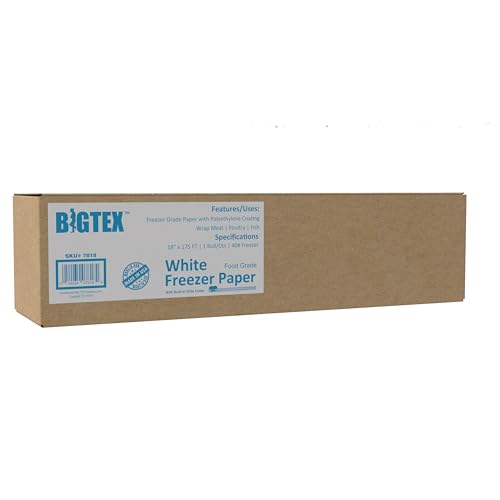
White Freezer Paper 18 inch x 175 feet
Freezer paper still belongs in a wild-game setup because it cushions edges, adds a writable surface, and gives you a backup when vacuum sealing is not the right move.
As an Amazon Associate, ProHuntingHacks may earn from qualifying purchases.
 Morepack
Poultry Freezer Labels
Labels are cheap insurance against mystery packages. The best freezer system fails if nobody can tell burger from stew meat in February.
As an Amazon Associate, ProHuntingHacks may earn from qualifying purchases.
What Matters Most in a Venison Vacuum Sealer?
Venison is lean, dense, and unforgiving when air gets trapped around trimmed surfaces. The sealer has to pull enough air, close a consistent seal, and tolerate real processing conditions: cold hands, damp cuts, multiple batches, ground meat, marrow dust, and an impatient freezer stack waiting nearby. A machine that works for leftovers can still struggle when ten pounds of cubed shoulder is sitting on the table.
For most hunters, seal quality beats extra modes. Look for a wide, consistent seal bar, a usable drip tray, controls that allow gentle or moist sealing, and enough cool-down rhythm to handle batch work. Bag compatibility matters too. External sealers usually need textured bags or rolls. Chamber sealers use different pouch styles and work better with liquids, marinades, and wetter meat, but they demand more bench space.
External Vacuum Sealers: Best Starting Point for Most Deer Hunters
An external vacuum sealer is the practical first choice for most venison processors. It stores easily, works with common rolls, and handles steaks, roasts, stew meat, trimmed scrap, burger portions, jerky strips, and sausage batches when the meat is reasonably dry and cold. If you process one to three deer a year and do not need to seal liquid-heavy packs every week, this style usually makes sense.
The failure point is moisture. Wet meat can pull liquid toward the seal bar and weaken the closure. Pat cuts dry, chill them before sealing, keep the seal area clean, and use a longer bag than you think you need. For long-term freezer storage, double sealing the open end is cheap insurance. The second seal should sit slightly above the first, not directly on top of a wet or wrinkled strip.
Chamber Sealers: When the Upgrade Earns Its Footprint
A chamber vacuum sealer is the serious upgrade for high-volume processing. The whole bag sits inside the chamber, so the machine handles moisture and liquids more gracefully. That helps with fresh ground meat, fish, marinades, soups, broth, and venison cuts that are difficult to dry completely. If your garage becomes a mini processor every deer season, chamber sealing can make the workflow more consistent.
The tradeoff is space. A chamber unit is heavier, takes a dedicated footprint, and uses chamber pouches rather than the same textured rolls many external machines require. Measure the table, storage shelf, and chamber size before committing. Also think about the biggest package you actually seal. A chamber sealer that cannot fit long backstrap portions may still need help from paper wrap or an external sealer for odd cuts.
Bag Compatibility and Thickness
Bag choice is where many freezer-storage systems quietly fail. External sealers need textured channels so air can leave the bag. Chamber machines usually work with smooth pouches. Rolls let you size the package to the cut, which helps with long backstrap sections and odd roast shapes. Pre-cut bags are faster when you are packing consistent burger or stew-meat portions.
For venison, avoid barely-big-enough bags. Leave room for the meat, moisture buffer, and seal area. Sharp corners from bone-in cuts, frozen edges, or hard-trimmed pieces can puncture thin packaging. If you keep bone-in shanks, ribs, or awkward cuts, wrap the sharp edge with freezer paper first, then seal the protected package when practical. Bag thickness is not a substitute for good trimming and clean handling, but it gives you margin.

Moisture Control: The Difference Between a Pretty Pack and a Strong Seal
Fresh venison carries surface moisture, especially after trimming, rinsing tools, grinding, or moving cuts in and out of coolers. Moisture can creep into the seal area and create channels that let air back into the bag. The fix is process discipline. Chill meat hard before sealing. Pat it dry. Fold the bag mouth back while loading so the seal strip stays clean. If a cut is very wet, pre-freeze it briefly on a tray until the surface firms up.
Ground venison benefits from shape control. Flatten burger into even bricks so it stacks better and freezes faster. Leave enough room at the top of the bag to keep the seal flat. If the bag wrinkles across the strip, open a new bag rather than trusting a bad closure. A freezer full of venison is not the place to gamble on one ugly seal.
Portion Sizing for Real Meals
Portion size should match how your household actually cooks. Backstrap can be sealed in meal-length sections. Stew meat works in one-meal packs. Burger usually stacks best as flat bricks. Roasts should be trimmed and shaped so they freeze evenly and thaw without a wrestling match. If you routinely thaw too much meat, your package sizes are too large. If you open three packs every dinner, they are too small.
Hunters processing multiple deer should separate packages by cut quality and intended use. Do not mix silver-skin-heavy trim with clean stew meat just because it is late. Mark grind blends if you add fat later. If a package is for jerky, chili, breakfast sausage, or canning, label that up front. The freezer should work like an inventory system, not a meat cave.
Freezer-Burn Prevention
Freezer burn is usually a system failure: trapped air, poor seal, thin bag, wet seal strip, package abrasion, temperature swings, or packages forgotten at the bottom of the freezer. Vacuum sealing helps because it removes air around the meat, but it does not overcome sloppy stacking or weak labeling. Let packages freeze flat before piling them vertically. Keep older venison in front. Avoid dragging frozen bag corners across each other until pinholes appear.
For long-term storage, double seal the open end and inspect the factory seams. If a package loses vacuum, repackage it before it becomes a white, dry corner in the freezer. Use bins or cardboard separators for sharp frozen shapes. If you use freezer paper inside or outside the bag, make sure it protects the meat instead of hiding a poor seal.
When Freezer Paper and Butcher Paper Still Belong
Vacuum sealers did not make freezer paper obsolete. Paper is still useful for bone-in cuts, sharp edges, short-term turnover packs, camp staging, and protecting vacuum bags from puncture points. A tight paper wrap can smooth an awkward roast before sealing. Butcher paper can also help organize cuts before the final package, especially when several people are trimming at once.
Paper alone can work for short windows when wrapped well, but vacuum sealing gives better protection for long storage. The best setup uses both intelligently: paper to cushion and label when needed, vacuum bags for air removal, and a freezer-safe label that remains readable after months of frost and handling.
Labeling Rules That Prevent Mystery Meat
Every package should answer five questions without opening it: animal, cut, date, weight or meal size, and intended use. Add grind details if relevant. If you process with friends or family, include initials or a batch note. Waterproof freezer labels or a dependable marker matter because condensation and frost punish weak ink. Put the label where it can be read when the pack is stacked, not hidden on the folded edge.
| Label Field | Why It Matters | Example |
|---|---|---|
| Cut | Keeps tender cuts from being used like trim. | Backstrap, roast, stew, grind |
| Date | Supports rotation before quality fades. | 2026 deer season batch |
| Portion | Prevents thawing more than the meal needs. | One chili pot, two steaks, family burger pack |
| Notes | Tracks grind blend, marinade, or intended recipe. | Jerky strips, sausage trim, canning cubes |
Field-to-Freezer Workflow
- Cool first. Field dress cleanly, remove heat, and get meat cold before packaging decisions start.
- Trim deliberately. Remove hair, debris, excess silver skin, bloodshot tissue, and ragged edges before they enter bags.
- Sort by use. Keep steaks, roasts, stew meat, grind, jerky, and sausage trim in separate staging zones.
- Pre-chill wet cuts. Cold, firm meat seals better than warm, slick meat.
- Size the bag to the meal. Leave headroom for a clean seal and enough space to flatten the package.
- Seal, inspect, and double seal when needed. Look for wrinkles, wet channels, and trapped corners before the pack goes into the freezer.
- Label immediately. Once several identical packs stack up, memory becomes a poor inventory tool.
- Freeze flat, then organize. Flat packs freeze faster, stack tighter, and thaw more predictably.
Failure Modes to Avoid
The most common failure is wet meat at the seal. The second is a bag packed so full that the seal area wrinkles. The third is sharp bone or frozen edges puncturing the package after the seal looked fine on the table. Bone-in cuts need protection. So do antler-camp oddities like shanks, neck roasts, ribs, and hard-frozen trim with corners.
Another failure is buying a chamber sealer because it looks professional, then discovering it has no good home in the kitchen, garage, or camp. Footprint matters. So does cleanup. If the machine is annoying to set up, you will rush the process. A modest external sealer that gets used carefully beats a heavy chamber unit that lives under a shelf until the meat is already half frozen.
External vs Chamber Sealer Decision Table
| Question | Choose External | Choose Chamber |
|---|---|---|
| How much venison? | A few deer a season or smaller family batches. | High-volume camp processing or frequent bulk sealing. |
| How wet are packages? | Mostly dry steaks, roasts, and chilled burger packs. | Wet cuts, marinades, fish, broth, or liquid-heavy work. |
| Storage space? | Limited counter and cabinet space. | Dedicated bench space and a steady processing area. |
| Bag style? | Textured rolls and flexible custom lengths. | Smooth chamber pouches and repeatable sizes. |
Related ProHuntingHacks Guides
Compare Vacuum Sealers, Bags, Paper, and Labeling Gear
Use this lower comparison table after you know your batch size, package style, wet-meat tolerance, and freezer-rotation habits.
| Product | Best Use | Why It Wins | Amazon |
|---|---|---|---|
| 95Kpa Precision Pro Vacuum SealerBest overall external sealer | Hunters who process several deer a season and want a countertop sealer for steaks, roasts, burger packs, and standard textured bags. | A good external sealer is the most practical starting point for most venison freezers because it is compact, familiar, and works with common rolls and pre-cut bags. | View on Amazon |
| VEVOR Chamber Vacuum SealerBest chamber sealer upgrade | High-volume deer camps, wet marinades, fish, ground meat, and families that seal enough food to justify a larger machine. | A chamber sealer handles moisture better and can produce more consistent seals when the workload is steady. | View on Amazon |
| LEM Products 1 lb. Wild Game BagsBest bag-roll support | Hunters who want flexible package lengths for backstraps, roasts, stew meat, burger tubes, and odd cuts. | Quality rolls let you size bags to the cut instead of wasting space or forcing sharp edges into short bags. | View on Amazon |
| White Freezer Paper 18 inch x 175 feetBest freezer-paper backup | Bone-in cuts, sharp edges, short-term turnover packs, sausage staging, and situations where paper wrap protects bags from punctures. | Freezer paper still belongs in a wild-game setup because it cushions edges, adds a writable surface, and gives you a backup when vacuum sealing is not the right move. | View on Amazon |
| Poultry Freezer LabelsBest labeling add-on | Organized freezers where cut, date, animal, grind ratio, and intended recipe need to stay visible months later. | Labels are cheap insurance against mystery packages. The best freezer system fails if nobody can tell burger from stew meat in February. | View on Amazon |
FAQs
What is the best vacuum sealer for venison?
Most hunters should start with a reliable external vacuum sealer that works with textured bags and has a consistent seal bar. A chamber sealer is the better upgrade for high-volume processing or wet packages.
Are chamber vacuum sealers better for wild game?
They can be better when you process a lot of meat or seal wet foods often. Chamber sealers handle moisture more gracefully, but they take more space and use a different bag system.
Should venison be frozen before vacuum sealing?
It does not need to be fully frozen, but very wet or soft cuts often seal better after a short pre-chill. Firm, cold meat is easier to package cleanly and less likely to pull liquid into the seal.
How do you keep sharp bones from puncturing vacuum bags?
Trim sharp edges when possible, wrap bone ends with freezer paper, use adequate bag size, and avoid forcing hard corners into thin packaging. Inspect packages after freezing because some punctures show up later.
Is freezer paper still useful if I vacuum seal?
Yes. Freezer paper helps cushion sharp cuts, organize staging, create writable surfaces, and provide a backup for odd shapes or short-term storage. Vacuum bags remain the better long-storage air barrier when sealed correctly.
Final Recommendation
For most deer hunters, the best freezer-storage setup is an external vacuum sealer, quality textured rolls, freezer-safe labels, and disciplined portioning. Add a chamber sealer when volume, wet meat, and repeatable batch work justify the footprint. Keep freezer paper and butcher paper in the system for sharp edges, awkward cuts, and staging. The goal is simple: every venison package should enter the freezer cold, clean, flat, sealed, labeled, and easy to use months later.