
As an Amazon Associate I earn from qualifying purchases.
The best treestand safety harness is the one you’ll actually wear, adjust correctly and connect before your boots leave the ground. Hunters spend hours on stand height, shooting lanes and wind, but the riskiest moments are routine: climbing before daylight, stepping from ladder to platform, hanging sticks, or climbing down tired after dark.
This guide covers full-body harnesses, lifelines, lineman ropes and tree straps, and how they fit together. It isn’t a substitute for the manufacturer’s instructions. Start with a correctly sized harness, add a lifeline to every preset stand, use a lineman rope when hanging sticks or platforms, and inspect it all before the season.
| Product | Best for | Our rating | |
|---|---|---|---|
 HSS Ultra-Lite Harness | Best overall harness2.5 lb mesh vest with snap buckles, tree strap and relief strap | ★★★★½ 4.5/5 | Check price |
 Summit Pro Safety Harness | Padded harnessPadded shoulders, torso strap and MOLLE loops, sized by waist | ★★★★½ 4.5/5 | Check price |
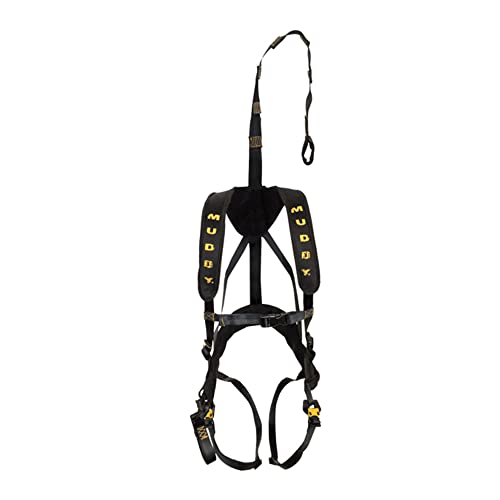 Muddy Magnum Elite Harness | Best value harness1.5 lb padded harness with lineman's belt and relief strap included | ★★★★☆ 4/5 | Check price |
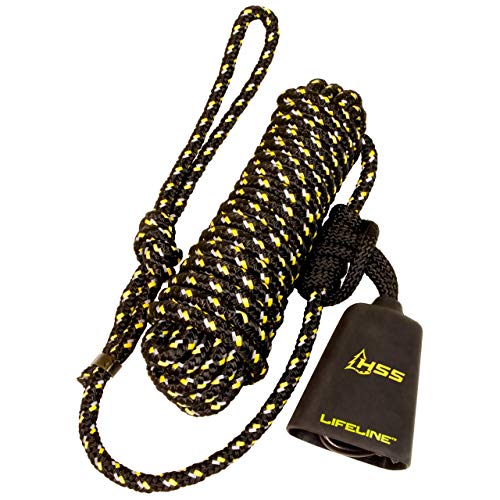 HSS Reflective Lifeline | Single-stand lifelineReflective rope, prusik knot, carabiner and sound dampeners | ★★★★½ 4.5/5 | Check price |
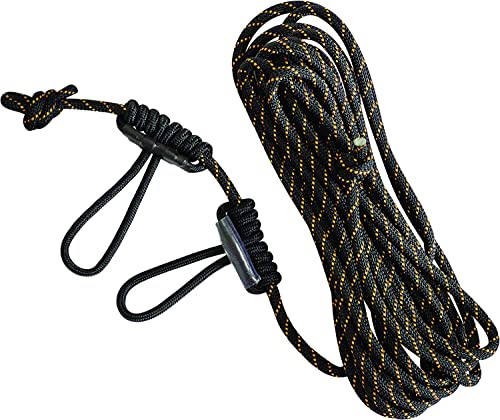 Muddy Safe-Line | Budget lifeline30 ft braided nylon rope with two prusik knots, 300 lb | ★★★★☆ 4/5 | Check price |
 Muddy Lineman's Rope | Hanging stands and sticksMovable anchor with reflective prusik and lockable carabiner | ★★★★☆ 4/5 | Check price |
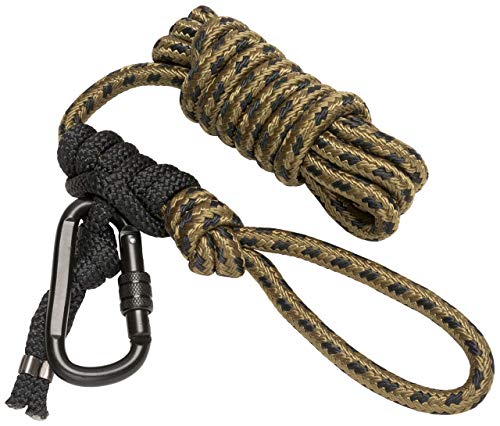 HSS Rope-Style Tree Strap | Tree strap upgrade9 ft rope strap with prusik adjustment for 360-degree shooting | ★★★★☆ 4/5 | Check price |
We ranked these from the makers’ specs and listings against the stand setups in this guide; we did not drop-test or field test all seven for this update. The star ratings are our own editorial scores for how well each pick fits the job we give it.
How we picked
A harness is only one part of the system, so we picked gear for each step of the climb, not just the sit. We weighed:
Then we matched each pick to a stand type, because the best treestand safety harness for a ladder stand isn’t always the best one for a climber. Ladder-stand hunters, hang-on and saddle-style mobile hunters and climber hunters each have an answer.
1. Hunter Safety System Ultra-Lite Harness: best overall
Hunter Safety System Ultra-Lite Harness
A light mesh harness you'll actually keep on from truck to stand
A 2.5-pound full-body treestand harness with a ventilated mesh upper, snap buckles instead of weave-through straps, a tree strap and a suspension relief strap included.
The Hunter Safety System Ultra-Lite Harness weighs about 2.5 pounds, the lightest premium harness HSS makes, with a ventilated mesh upper body that you won’t sweat through on an October walk-in. Light matters, because a harness left in the truck protects nobody.
It uses quick snap buckles instead of weave-through hardware and comes with a tree strap, a suspension relief strap that doubles as a deer drag, and instructions. Order by your hunting layers, not your shirt size.
2. Summit Treestands Pro Safety Harness: best padded harness
Summit Treestands Pro Safety Harness
A structured, padded harness for hunters who want a secure feel
A full-body treestand harness with padded shoulder straps, a torso strap and MOLLE attachment loops, sized by waist: Medium 28 to 35 inches, Large 35 to 46 inches.
The Summit Treestands Pro Safety Harness is for hunters who like a more substantial, structured feel. It adds a torso strap and padded shoulder straps, plus a MOLLE attachment system for a pouch or a call.
Sizing is listed by waist: Medium fits 28 to 35 inches and Large fits 35 to 46 inches, so measure over your cold-weather bibs. Practice clipping in and adjusting the tether at ground level before the first dark climb.
3. Muddy Magnum Elite Harness: best value harness
Muddy Magnum Elite Harness
A padded budget harness with the lineman's belt and straps included
A 1.5-pound treestand harness with padded shoulders and waist, breathable mesh, no metal-on-metal contact and a 300-pound rating, with lineman's belt, tree strap and relief strap.
The Muddy Magnum Elite Harness covers the core job for far less money. It weighs about 1.5 pounds, has padded shoulder and waist straps with breathable mesh, and is rated to 300 pounds.
The kit includes a lineman’s belt, a tree strap and a suspension relief strap, and there’s no metal-on-metal contact to clank on stand. A budget harness still needs a lifeline or a tether plan for the climb itself.
4. Hunter Safety System Reflective Lifeline: best single-stand lifeline
Hunter Safety System Reflective Lifeline
Stay connected from the ground to the stand and back down
A reflective treestand lifeline with a sliding prusik knot, carabiner and sound dampeners that lights up in a headlamp beam for pre-dawn climbs on preset stands.
A lifeline closes the dangerous gap between stepping off the ground and clipping in at the platform. The Hunter Safety System Reflective Lifeline runs from above the stand to the base of the tree, and you slide its prusik knot up and down with you.
Reflective material lights up in a headlamp beam, so you find the rope fast before daylight, and HSS includes a carabiner and sound dampeners. HSS now gives these ropes a 3-year life from purchase; mark the date on the tag. Hunting several preset stands? The Hunter Safety System reflective lifeline 3-pack covers three trees.
5. Muddy Safe-Line: best budget lifeline
Muddy Safe-Line
A low-cost 30-foot lifeline for stands that stay up all season
A 30-foot braided nylon treestand lifeline with two prusik knots that slide as you climb, usable by two hunters in turn, rated to 300 pounds and compatible with any stand.
The Muddy Safe-Line is a 30-foot braided nylon rope with two prusik knots, so two hunters can use the same line in turn on a family stand. It’s rated to 300 pounds and works with any tree stand.
It’s the cheapest way to add ground-to-stand protection to a private-land stand that stays up all season. Follow the install instructions, check length and knots, and pull it at season’s end so it isn’t weathering all summer.
6. Muddy Lineman’s Rope: best for hanging stands and sticks
Muddy Lineman's Rope
A movable anchor that frees both hands for hanging sticks
A braided nylon lineman's rope with a reflective prusik knot and lockable carabiner, rated to 300 pounds, for climbing and installing stands while staying attached to the tree.
Hanging sticks and platforms takes both hands. The Muddy Lineman's Rope gives you a movable anchor around the tree, with a reflective prusik knot and a lockable carabiner, so you can lean back and work instead of hugging the trunk.
It’s rated to 300 pounds and also works as a tether once you’re hunting. Remember what it is: a positioning tool that pairs with your full-body harness, not a replacement for one.
7. Hunter Safety System Rope-Style Tree Strap: best tree strap upgrade
Hunter Safety System Rope-Style Tree Strap
A rope tree strap that adjusts in seconds and lets you turn
A 9-foot rope-style treestand tree strap with a prusik knot for quick height adjustment, fitting most trees and working with front- or back-facing climbers.
The webbing strap that came with your harness works, but the Hunter Safety System Rope-Style Tree Strap is easier to live with. At 9 feet it fits most trunks, and the prusik knot adjusts the tether height in seconds.
It loops above your stand so you can turn 360 degrees for a shot, and it suits front- or back-facing climbers. Like the lifelines, HSS rates it for 3 years from purchase.
Why I take treestand safety personally
My dad was still hunting from a climbing stand in his 70s when he fell and hurt his back badly. He was able to crawl, make his way back to the cabin and eventually get help. It could have been much worse, and that’s the part that stays with you.
It’s easy to tell yourself a harness is inconvenient, or that you’re careful enough, or that you’ve climbed that tree a hundred times. But your family is worth protecting.
If you will not wear the gear for yourself, wear it for the people who would be waiting on you to come home.
Wisconsin’s numbers back that up. Falls are routine, and so is skipping the harness:
What treestand safety gear do you actually need?
A harness and a lifeline aren’t the same thing. A full-body harness is the wearable part: it spreads force across your body and gives you a connection point for a tether. A lifeline keeps you connected from the ground to the stand and back down.
A lineman rope positions you while your hands are busy hanging climbing sticks, straps or a hang-on platform. Our lifeline vs lineman’s belt vs harness guide breaks the differences down further.
Most deer hunters should think in systems instead of single products:
- Ladder stand on private ground: a harness and a lifeline.
- Hang-on setup: a harness, lineman rope, tree strap, climbing sticks and a plan for staying attached while stepping onto the platform.
- Climber: a harness and a tether you move up as you climb; see our climbing treestand picks.
Harness vs lifeline vs lineman rope
Use this to decide what your current stand setup is missing:
| Gear | Main job | Where it matters most |
|---|---|---|
| Full-body harness | Wearable fall-arrest connection | Every elevated hunt: ladder stands, hang-ons, climbers and lock-ons |
| Lifeline | Ground-to-stand connection | Preset ladder stands and hang-ons used repeatedly through the season |
| Lineman rope | Positioning while your hands are working | Hanging sticks, installing straps and setting a hang-on platform |
| Tree strap or tether | Connection around the tree at hunting height | Once you’re settled on the platform, or moving up with a climber |
| Suspension relief strap | Pressure relief after a fall | Emergency use while you wait to recover or self-rescue |
How to choose the best treestand safety harness
Fit comes first. A harness that’s too loose, too tight or impossible to adjust over cold-weather layers is less likely to be worn correctly. Check the size range against the clothes you wear in late November, not early October; our cold-weather layering system shows how much bulk that adds.
Comfort matters because compliance matters. If the harness digs, binds, squeaks or takes too long to put on, hunters start cutting corners. Lightweight vests are easier to wear all day, while structured harnesses feel more secure to some hunters. Bigger hunters should check both the harness rating and our treestands for bigger hunters.
Look for clear attachment points, quiet hardware, manageable straps and a tether length that suits your stand. Test your pack and harness together before opening day.
When a lifeline matters most
A lifeline is one of the most important upgrades for preset stands because it covers the climb. Many hunters clip in once they reach the platform, which leaves the ladder or climbing-stick portion exposed. The Wisconsin DNR advises a lifeline so you stay connected from the time you leave the ground until you’re back down.

Use lifelines where you return to the same tree: ladder stands, lock-ons, hang-ons with fixed sticks and family stands. For mobile hunting setups a permanent lifeline may not make sense, but you still need a tether and climbing method that keeps you connected as much as possible.
Inspect lifelines through the season. Sun, rain, ice, bark abrasion, rodents and tree growth all damage rope. If it’s frayed, stiff, cut, discolored or questionable, replace it. Safety gear isn’t where you squeeze out one more year.
Lineman ropes for hanging stands and sticks
A lineman rope matters most to hang-on hunters, because the dangerous part often happens before the hunt starts. Hanging sticks, tightening straps and placing the platform all take both hands.

The rope positions your body so you aren’t balancing against the tree with one arm while managing gear with the other. Use it according to the instructions and keep it combined with a full harness, careful climbing and a plan for transitions. Raise your bow and pack on a gear hoist instead of climbing with them.
Inspection and replacement criteria
Lay every harness, lifeline, strap, carabiner, buckle and rope on the ground before the season. If you wouldn’t trust it for someone you care about, don’t trust it for yourself.
Replace gear after any fall, when the manufacturer says to retire it, or any time its condition is uncertain. Old stand straps age under sun, moisture and freeze-thaw even when the stand looks fine. Our tree stand safety checklist runs through the whole stand, not just the harness.
Ground-to-stand safety routine
Run the same sequence every time, especially before daylight:
The routine only works if it’s automatic, so walk through it once at ground level with your harness, pack and lifeline before the season.
Common mistakes deer hunters make
- Only clipping in at hunting height: the climb and platform transition still need protection.
- Leaving lifelines up indefinitely: outdoor exposure degrades rope and straps.
- Buying the wrong size: cold-weather layers change the fit more than you expect.
- Ignoring suspension relief: know the manufacturer’s emergency steps.
- Mixing random components: use compatible gear instead of a homemade system.
- Skipping practice: rehearse with the exact stand, harness, rope and layers.
A good hunting headlamp makes the dark climb safer too, and the best tree stands for deer hunting guide helps match the stand to the system. Under a harness, a thin merino base layer keeps straps from chafing on long sits.
Frequently asked questions
What is the best treestand safety harness for deer hunting?
A correctly sized full-body harness you can wear comfortably over your real hunting layers. The Hunter Safety System Ultra-Lite Harness is our top pick for all-day comfort; the Muddy Magnum Elite Harness is the value choice. Whichever you choose, wear it from the ground up.
Do I need a lifeline if I already wear a harness?
Yes, for preset ladder stands and hang-ons. A lifeline like the Hunter Safety System Reflective Lifeline covers the climb from the ground to the platform. A harness alone doesn’t protect the ladder or climbing-stick portion unless it’s connected to something.
How often should treestand lifelines be replaced?
Follow the manufacturer’s retirement guidance and inspect through the season. HSS now rates its lifelines and rope tree straps for 3 years from purchase. Replace any rope that shows fraying, cuts, weather damage, stiffness or contamination, whatever its age.
What is a lineman rope used for?
A lineman rope, like the Muddy Lineman's Rope, positions you around the tree while you hang sticks, straps and platforms. It’s most useful for hang-on setups where both hands are busy during installation, and it pairs with a full-body harness.
Can I use an old harness that came with a tree stand?
Only if it’s within the manufacturer’s service life, fits correctly, includes all its parts and passes inspection. If its age or condition is uncertain, replace it.