
As an Amazon Associate I earn from qualifying purchases.
The best trail camera accessories are not the flashy add-ons. They are the small pieces that keep cameras working when you are not there: cards that do not corrupt, batteries that do not quit in the cold, solar that cuts visits, locks that slow theft, mounts that hold an angle and moisture control that keeps gear from fogging.
A trail camera is only as useful as the system around it. A good camera with a cheap card, weak batteries, a loose strap and no lock can miss the exact week you needed to understand deer movement. A modest camera with a tight accessory kit can quietly build a season of useful scouting history.
Where to start: 32GB SD cards your camera manual supports, Energizer Ultimate Lithium AAs for cold or high-drain sets, a solar pack for cellular cameras, and a Master Lock Python cable lock. Add a security box or swivel bracket where theft, bears or a bad tree angle are real problems, then a card reader, silica gel and spare mounts once you run several cameras.
| Product | Best for | Our rating | |
|---|---|---|---|
 Stealth Cam 32GB SD Cards (2-pack) | Best SD cardsTwo full-size 32GB Class 10 cards to rotate per camera | ★★★★½ 4.5/5 | Check price |
 Energizer Ultimate Lithium AA (24-pack) | Best batteriesLithium AAs rated for cold, high-drain trail camera use | ★★★★½ 4.5/5 | Check price |
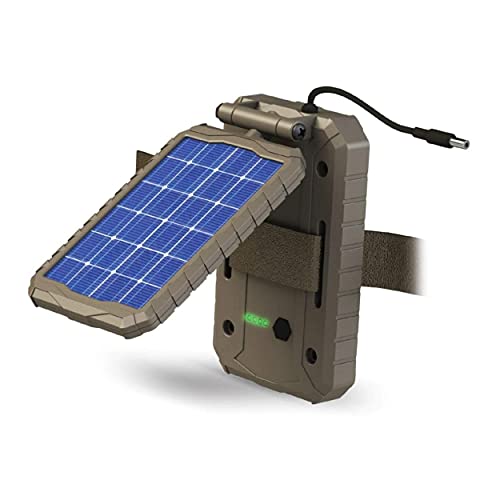 Stealth Cam Sol-Pak | Best solar add-on12V panel with 3,000mAh pack for Stealth Cam cellular cameras | ★★★★☆ 4/5 | Check price |
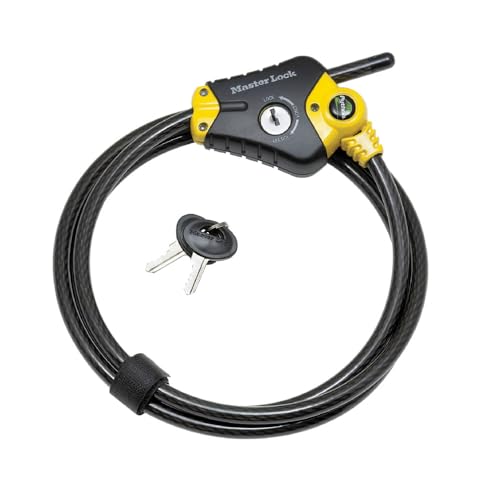 Master Lock Python Cable Lock | Best cable lockSix-foot braided steel cable that cinches tight on any tree | ★★★★½ 4.5/5 | Check price |
 Stealth Cam Security Box (Large) | Best security boxPowder-coated steel box sized for larger Stealth Cam bodies | ★★★★☆ 4/5 | Check price |
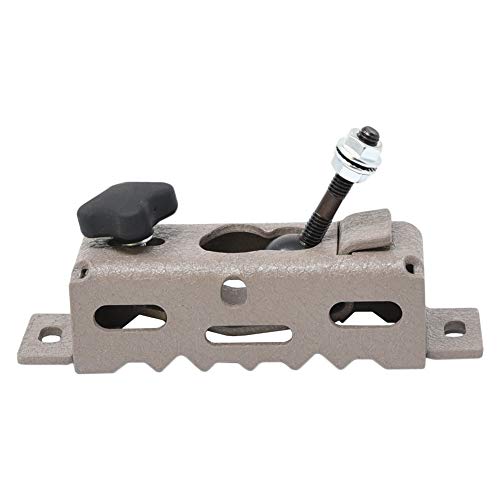 CAMLOCKbox Swivel Bracket | Best swivel bracketSteel lag-bolt mount pivots 45 degrees to aim boxed cameras | ★★★★☆ 4/5 | Check price |
 The…Cam Mount Kit (6-pack) | Best mount kitThree screw-in holders and three straps for awkward trees | ★★★★☆ 4/5 | Check price |
 Stealth Cam 4-in-1 Card Reader | Best card readerReads SD and microSD on Lightning, USB-C and micro-USB | ★★★★☆ 4/5 | Check price |
 LotFancy Silica Gel (30-pack) | Best moisture controlRechargeable color-indicating packs for totes and housings | ★★★★½ 4.5/5 | Check price |
Still choosing the camera itself? Start with our trail cameras for small properties or smart vs standard trail cameras. This page covers the gear around it.
How We Picked the Best Trail Camera Accessories
We built this list around the failure points that cost scouting data, then compared each accessory on listed specs, compatibility limits and how it fits a quiet, repeatable camera check. We did not run a long-term field test of every item, and we say where compatibility is narrow. Product images come from Amazon’s catalog.
- Fixes a real failure: lost data, dead power, theft, animal damage, a drifting angle or moisture.
- Compatibility: works across common camera bodies, or says plainly which ones it fits.
- Field speed: makes a card pull, battery swap or lock check faster and quieter.
- Durability: steel, sealed or weather-rated where it matters.
The star ratings on each card are our own editorial scores for fit to this article.
Build the Accessory Kit Around Failure Points
Most hunters buy trail camera accessories backward. They grab a bundle, throw everything in a tote and hope it covers the problem. Name the failure instead. Did a camera die between checks? Start with batteries and solar. Did photos corrupt? Fix cards and workflow. Did a camera walk off? Prioritize locks, boxes and placement.
The right kit also depends on camera type. A cellular camera that uploads often needs a stronger power plan than a standard camera on a quiet scrape. A public-land camera needs stealth and security before another card reader. A camera on a crooked cedar may need a swivel mount more than a premium battery.

The Core Trail Camera Accessory Sequence
Work through the kit in this order. Each step protects the one after it, so a cheap fix early saves an expensive gap later.
SD Cards: Stay Boring and Reliable
Stealth Cam 32GB SD Cards (2-pack)
Two dependable 32GB cards so every camera gets a swap
Full-size Class 10 SD cards in a 2-pack, sized for the common 32GB trail camera limit. Rotate them in pairs, label by site and format in the camera.
Trail cameras are not the place to get clever with oversized cards or mystery brands. Many cameras are designed around common card limits, and some behave badly when a card is too large, too slow or formatted on a computer. A reliable 32GB full-size card, like the Stealth Cam 32GB SD cards, covers most photo-based deer scouting unless your manual clearly supports more.
The field system matters as much as the card. Label each card by camera site, carry a clean card case and swap cards instead of standing at the set deleting files. Format the replacement in the camera. If a card throws errors, creates odd folders or misses images, retire it. One bad card can ruin weeks of patterning.
Lithium Batteries for Cold and High-Drain Cameras
Energizer Ultimate Lithium AA (24-pack)
Cold-weather AA power that keeps late-season cameras running
Lithium AA cells Energizer rates from -40 to 140°F, in a 24-pack that covers a few cameras. Lighter and steadier under high drain than alkalines.
Power problems show up as blank gaps in your scouting history. Cold weather, frequent triggers, video, cellular uploads and weak signal all drain cameras faster than a backyard test suggests. Lithium AAs are the simplest upgrade because they hold voltage better in cold, high-drain use than bargain alkalines.
Check that your camera accepts lithium AAs before you load a full set of Energizer Ultimate Lithium cells, and never mix old and new cells or chemistries in one camera. Partial sets cause odd behavior and short run times.
Solar Power for Cellular Trail Cameras
Stealth Cam Sol-Pak
Fewer battery trips for Stealth Cam cellular cameras
A 12V amorphous solar panel with a 3,000mAh rechargeable pack, swivel bracket and 10-foot insulated cable. Built for Stealth Cam wireless and cellular cameras.
Solar makes the most sense on cameras you do not want to disturb often: food plots, mineral sites where legal, creek crossings, remote corners and cellular cameras that send a lot of photos. The Stealth Cam Sol-Pak pairs a 12V panel with a 3,000mAh rechargeable pack and a 10-foot cable, and it is built for Stealth Cam wireless and cellular cameras.
Solar is not magic. Shade, snow, chewed cables and a mismatched plug or voltage can still kill a set. Aim the panel before leaf-out changes the shade, route the cable cleanly and confirm the camera shows external power before you leave. For other brands, see our universal trail camera solar panels and solar panels for cellular trail cameras.
Cable Locks and Security Boxes
Master Lock Python Cable Lock
An adjustable steel cable that cinches tight around any tree
Six feet of 3/8-inch braided steel cable with a vinyl coat and a locking head that holds at any length. Works across cameras, boxes and tree sizes.
Security accessories do two jobs: slow down casual theft and protect the camera from animals, weather and rough contact. They do not make a camera theft-proof. The Master Lock Python cable lock adjusts to grip any tree size; Master Lock’s 8413DPF page lists a 6-foot, 3/8-inch braided steel cable with a vinyl coat and a rekeyable cylinder.
Stealth Cam Security Box (Large)
A steel shell against bears, bumps and casual tampering
A powder-coated all-steel box for Stealth Cam Deceptor, Reactor, GMAX and DS4K bodies. Mounts with lag bolts, straps or bungees and opens at the front for checks.
A steel box adds protection around the camera body, especially in bear country, on public parcels and near property edges. The Stealth Cam Large security box is sized for Stealth Cam Deceptor, Reactor, GMAX and DS4K bodies, so check your model first. Our trail camera security box guide covers other brands and sizes.
A visible camera at eye level on an obvious access trail is still an invitation. Combine less obvious placement, a lock and a box or elevated mount where risk is high, and check your state’s rules on cameras on public land. Our trail camera ethics guide covers fair chase questions.
Swivel Brackets, Mounts and Straps
CAMLOCKbox Swivel Bracket
Mount a boxed camera higher and still aim it down the trail
A heavy-duty steel tree bracket with a 45-degree pivot and lag bolts, built to carry a camera in a security box. Python cable compatible.
A camera that points too high catches backs and antler tips. One that points too low fills the card with raccoons and grass. The CAMLOCKbox swivel bracket is a steel lag-bolt mount that pivots up to 45 degrees, carries a camera inside a security box and still accepts a Python cable, so you can mount higher and aim down.
The…Cam Mount Kit (6-pack)
Screw-in holders and straps for trees that fight you
Three screw-in holders with 360-degree rotation and 220-degree tilt plus three reinforced nylon straps, for cameras with a standard 1/4-20 thread or strap slots.
For several awkward trees, The…Cam mount kit gives you three screw-in holders with 360-degree rotation and three reinforced nylon straps, enough for imperfect trees, fence corners and mock scrapes. The screw-in holders use the standard 1/4-20 tripod thread most trail cameras have.
On private land, a screw-in or lag-bolt bracket can give a cleaner angle. On public land or sensitive trees, follow the rules and use strap-based options. Our trail camera placement guide and mock-scrape kits help you choose where the camera should look.
Card Readers and Field Workflow
Stealth Cam 4-in-1 Card Reader
Check cards on your phone at the truck, not at the set
A pocket card reader with Lightning, USB-C, micro-USB and USB plugs that reads SD and microSD cards up to 256GB on phones, tablets and computers.
A field card reader is useful when you run standard cameras or want to check a card before driving home. The Stealth Cam 4-in-1 card reader has Lightning, USB-C, micro-USB and USB plugs and reads SD and microSD cards, so it works with most phones and tablets.
The mistake is standing in front of the camera for ten minutes, touching everything and dropping scent while you scroll. Pull the card, insert a clean one, close the camera and review images away from the set. If you hunt with a partner, standardize the sequence so no card gets overwritten or mixed up.
Moisture Control and Storage
LotFancy Silica Gel (30-pack)
Cheap insurance against fog and corrosion in camera gear
Thirty 10-gram color-indicating desiccant packs you can recharge. Drop them in totes, battery boxes and older housings, clear of the seal and sensor.
Moisture is a quiet camera killer. Creek bottoms, warm days after cold nights, snowmelt and summer humidity can fog housings, corrode contacts and make cards misbehave. LotFancy silica gel packs will not fix a broken seal, but they are cheap insurance in totes, battery boxes and older housings that still seal well.
Keep packs clear of the gasket, sensor, flash and battery door, and recharge them when the indicator beads change color. For off-season storage, pull batteries, dry the camera, clean mud from straps and mounts, and store cards apart from damp gear.
Accessory Kits by Camera Setup
Match the kit to the job. These are the combinations we would pack first for the most common deer camera setups.
| Camera setup | Accessory priority | Why it matters |
|---|---|---|
| One standard camera on private land | Two SD cards, lithium batteries, spare strap, dry card case | Simple reliability beats overbuilding when theft risk and visit distance are low. |
| Cellular camera on a food plot | Solar panel, lithium backup, cable lock, clean cable route | Upload frequency and weak signal can drain batteries faster than expected. |
| Public-land camera | Cable lock, less obvious placement, possible security box, small card reader | The camera needs to work quietly without inviting casual discovery. |
| Crooked-tree scrape camera | Swivel mount, spare strap, field angle check | The right angle matters more than another camera feature if the tree is wrong. |
| Long-soak remote camera | Lithium power, moisture control, labeled cards, security hardware | You may not know something failed until the scouting window is gone. |
If your cameras sit in weak-signal country, read our cellular trail cameras for low-signal areas before you add more power.
Common Trail Camera Accessory Mistakes
- Using whatever card is in the drawer. Use supported card sizes and format in the camera.
- Mixing old and new batteries. Partial sets cause odd camera behavior and short run time.
- Adding solar without checking shade. A panel under summer leaves may do very little by October.
- Locking a camera in an obvious spot. Hardware slows casual trouble; it does not replace smart placement.
- Letting cables hang loose. Loose power cables catch brush, chewing animals and curious hands.
- Reviewing cards at the set. Swap quickly, then check images away from the camera.
- Ignoring moisture in storage. Off-season humidity can damage gear before next season.
Frequently asked questions
What accessories do I need for a trail camera?
Start with supported SD cards, lithium AA batteries, a spare strap, a dry card case and a cable lock such as the Master Lock Python cable lock. Add a solar panel, security box, swivel mount, card reader and desiccant as your camera count, theft risk or check distance grows.
What size SD card is best for trail cameras?
A 32GB full-size SD card is a safe default for many trail cameras, but the camera manual is the final rule. Use a size the camera supports, format it inside the camera before each deployment, and retire any card that throws errors.
Are lithium batteries worth it for trail cameras?
Yes, for cold weather, high-trigger sites, cellular cameras and long soaks. Lithium AAs such as Energizer Ultimate Lithium hold up better in cold, high-drain use than cheap alkalines. Check that your camera accepts them and never mix chemistries.
Do trail camera solar panels work?
They work well when the plug and voltage match the camera, the panel gets enough sun and the cable is protected. They help most on cellular cameras and hard-to-reach sites. Brand-specific packs like the Stealth Cam Sol-Pak fit that brand’s wireless cameras.
How do I keep a trail camera from getting stolen?
Place it less obviously, mount it above eye level, use a cable lock and consider a steel security box. Avoid obvious access points and trail entrances. Security hardware reduces casual theft risk, but no camera is truly theft-proof.
Packing for the whole season? See our summer deer scouting gear checklist, mobile hunting setup mods and hunting ground blinds.