
The best tent heater for deer camp is a portable model explicitly approved by its manufacturer for tents or comparable enclosed shelters, sized for the space and supported by a safe fuel or electrical setup. For a typical enclosed camp tent, a moderate-output propane heater offers the most useful balance of warmth, portability, and simple operation. Larger shelters may need more output, while compact tents benefit from a smaller footprint. An electric heater makes more sense when the camp has dependable shore power or a properly sized electrical system.
No portable heater makes a tent risk-free. Combustion heaters consume oxygen, produce combustion gases, and require ventilation exactly as directed by the manufacturer. Electric heaters avoid open combustion but introduce cord, circuit, moisture, and overload concerns. The right choice is therefore not simply the heater with the largest output figure. It is the heater that fits the shelter, fuel plan, electrical capacity, floor layout, and supervision routine without forcing unsafe improvisation.
Quick answer: match the heater to the camp, not the coldest forecast
Start with the tent manufacturer’s rules. Some shelters prohibit heaters, while others specify approved heater types, ventilation practices, stove-jack use, or minimum clearances. If the shelter instructions and heater instructions conflict, do not combine them. A heater marketed for general outdoor use is not automatically suitable for an enclosed sleeping shelter.
For most deer camps, four questions narrow the choice quickly:
- What does the heater burn or consume? Propane is convenient for portable radiant heat, dual-fuel operation can help when camp logistics vary, and electricity is useful only when the power source and circuit can carry the heater safely.
- How large and drafty is the shelter? Floor area matters, but wall material, ceiling height, wind exposure, door traffic, and ventilation can matter just as much. Published coverage is a comparison aid, not a guarantee of a particular interior temperature.
- Where can the heater sit? Allow for the heater, its hot zone, required clearances, fuel connection, and a protected path around sleeping bags, clothing, chairs, and packs.
- Will someone actively supervise it? A heater should not be treated as an unattended overnight appliance unless the manufacturer explicitly permits that exact use and every shelter, ventilation, and safety requirement can be maintained.
How these deer-camp heaters were ranked
The ranking favors complete, portable heaters that address distinct deer-camp setups. The first position goes to the broadly useful choice for a typical enclosed tent rather than automatically to the highest-output model. The remaining positions cover a larger shelter, a compact floor plan, a camp that benefits from two fuel choices, and a powered camp where flameless heat is preferable.
Documented heating output and stated coverage helped establish each heater’s intended scale. Those figures were considered alongside manufacturer-described indoor, tent, or comparable-shelter suitability; automatic tip-over or low-oxygen protection where documented; fuel compatibility; control options; footprint; and the practical burden placed on the camp. Safety features improved a product’s fit, but they were not treated as permission to skip ventilation, clearance, leak checks, circuit checks, or active supervision.
The shortlist also avoids padding the ranking with accessories or incomplete systems. Fuel cylinders, hoses sold by themselves, stove parts, replacement components, fans, and power supplies are not substitutes for a complete heater. Each ranked position is a standalone portable heating product, although the user still has to provide the correct fuel or electrical source and follow the manufacturer’s instructions.
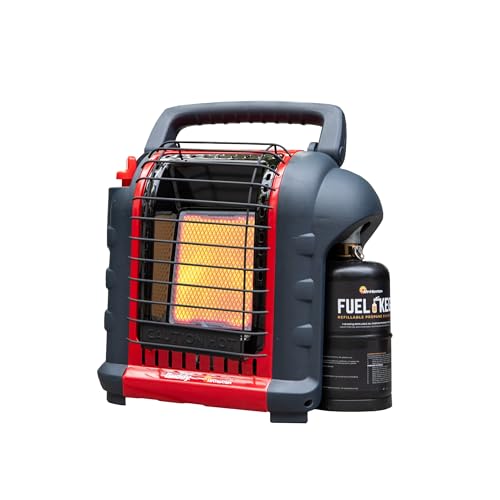
Mr. Heater Portable Buddy F232000
A balanced radiant propane heater with two output settings, documented enclosed-use approval, and capacity suited to a typical deer-camp tent.

Mr. Heater Hunting Buddy MH12HB
The strongest documented heating capacity in the selected propane group makes this the better fit for a more spacious hunting shelter.

Mr. Heater Little Buddy F215100
A compact, lower-output propane heater suited to localized warmth where usable tent-floor space is limited.

Gasfargo Dual-Fuel Heater HEATER002
This model provides useful fuel flexibility for camps that deliberately plan around either supported butane or propane operation.

JIBUFI Electric Heater PTC-903A
A flameless heating option for camps with dependable electrical capacity, useful controls, and a safely managed cord path.
Propane, dual fuel, or electric: which configuration fits deer camp?
A propane radiant heater is usually the simplest match for a mobile camp without utility power. It can direct noticeable warmth toward people and gear without requiring a generator, extension cord, or battery bank. The tradeoff is that combustion happens near the occupied space. Ventilation, stable placement, fuel inspection, clearance, and carbon-monoxide precautions therefore remain part of every use cycle.
Output should be matched conservatively. The selected propane models span compact localized heating through higher-output heating for more spacious shelters. More output can shorten warm-up time in a suitable tent, but it can also increase fuel consumption, intensify the hot zone, and make temperature swings more pronounced. A large heater in a cramped shelter may be harder to position safely than a smaller unit operating within its intended range.
A dual-fuel heater can simplify contingency planning when a camp alternates between butane canisters and propane cylinders. That flexibility is useful only if every connection, hose, regulator, and fuel container is approved for the exact heater and operating mode. Changing fuel types should be a deliberate setup procedure, not an improvised response after dark. Remove or disconnect fuel for storage exactly as the manufacturer directs, and never use an unauthorized fitting merely because the threads appear compatible.
An electric heater eliminates combustion at the point of heat, which can be attractive in a powered base camp. It does not eliminate risk. High-draw heating appliances can overload undersized extension cords, shared circuits, small inverters, or generators. The power source must support the heater’s documented demand continuously, not merely its brief startup behavior. Cords need protection from wet ground, sharp cot legs, door traffic, and coiling that traps heat. Keep plugs and connections dry and inspect them for looseness, discoloration, or unusual warmth.

Specifications that actually affect the decision
Heating output indicates how much heat a unit can produce, but it does not describe the tent’s heat loss. Fabric type, wind, dampness, ceiling volume, open vents, and repeated entry can change the result dramatically. Treat BTU-per-hour ratings as a way to separate compact, moderate, and higher-output combustion heaters. Treat wattage as both an electric heating measure and a demand that the camp’s electrical system must carry.
Stated coverage is useful for screening obviously mismatched options. It should not be interpreted as a promise that a heater will maintain a chosen temperature in every tent. A heater near the top of its stated range has less margin when wind rises or the door opens repeatedly. Conversely, excessive capacity can make a small shelter uncomfortable and complicate safe placement.
Physical footprint matters because deer-camp floors fill quickly. Cots, duffels, wet boots, weapon cases, dog gear, and hanging clothing all compete for space. Measure the actual clear area rather than the nominal tent floor. Include the fuel cylinder or hose path, the direction of radiant heat, controls that must remain reachable, and the manufacturer’s required clearances on every side.
Runtime and fuel logistics affect how useful a propane heater remains over a multi-day hunt. Lower settings generally stretch a small cylinder longer than high settings, but weather and operating habits determine real consumption. Bring only approved fuel containers, transport them according to applicable rules, and keep reserve fuel away from heat and ignition sources. Never move or refuel a hot heater unless its instructions specifically describe a safe procedure.
Automatic safety shutoffs are valuable secondary protections. Tip-over protection can stop operation after a fall, while low-oxygen protection can respond to deteriorating conditions on models that include it. Neither feature detects every hazard or replaces ventilation and a separate carbon-monoxide alarm. Safety devices can also be defeated by dirt, damage, poor placement, unauthorized modifications, or conditions outside their design.
Controls and heat distribution shape camp comfort. Multiple heat settings help avoid running maximum output unnecessarily. Oscillation can distribute electric heat across a broader area, while radiant propane heat tends to be more directional. Decide whether the goal is briefly warming hands and clothing in an occupied camp, taking the edge off a larger shared shelter, or maintaining modest heat while people prepare for the morning hunt.
Safe setup inside an enclosed hunting shelter
Read the heater manual and shelter instructions before the trip, not during the first freezing evening. Confirm that the exact heater is approved for the intended environment. Check required ventilation openings, clearances, approved fuel connections, altitude restrictions, and any prohibitions on sleeping use. Local fire rules, public-land restrictions, campground policies, and burn bans can also limit operation even when the equipment itself is suitable.
- Choose a stable location. Put the heater on a firm, level, noncombustible surface where it cannot be kicked, brushed by a sleeping bag, or struck by a swinging door. Do not set it on a cot, camp chair, storage tote, or loose bedding.
- Create a clear zone. Move clothing, paper maps, fuel, aerosol cans, packs, foam pads, and fabric walls outside every clearance specified by the manufacturer. Account for items that may sag or shift as the tent moves in wind.
- Maintain required ventilation. Open the prescribed low and high vents and keep them clear of snow, mud, and gear. Never seal a tent tightly to conserve heat while operating a combustion heater.
- Add independent detection. Use a carbon-monoxide alarm suitable for the camp environment when operating fuel-burning equipment. Test it before departure and position it according to its own instructions.
- Inspect the energy source. For propane or butane, check the approved connection and follow the manufacturer’s leak-test procedure before ignition. For electricity, confirm circuit capacity and inspect the full cord path before switching the heater on.
- Start with the lowest useful setting. Observe ignition, flame or radiant-panel behavior, odor, sound, and nearby material temperatures. Shut the system down if anything differs from normal instructions.
- Keep an adult attentive. Establish who is responsible for the heater. Do not assume someone else will notice a blocked vent, shifted sleeping bag, damaged cord, or unstable fuel connection.
- Shut down before rearranging camp. Allow the unit to cool before moving it, packing it, changing fuel, or placing it in a vehicle.
A practical pre-hunt evaluation checklist
Evaluate the complete heating setup at home in a safe, manufacturer-approved environment before relying on it at deer camp. The point is not to simulate unsafe indoor use. It is to find missing components, damaged parts, unsuitable cords, confusing controls, and layout conflicts while there is still time to correct them.
- Verify that the heater model is approved for the intended shelter type and use.
- Read both the heater and tent instructions, including ventilation and clearance requirements.
- Measure the tent’s usable clear floor area after cots and camp furniture are placed.
- Confirm that the heater can stand level without blocking the entrance or evacuation route.
- Inspect guards, handles, controls, fuel fittings, hoses, plugs, and cords for damage.
- Use only manufacturer-approved accessories and the specified fuel or power arrangement.
- Test ignition, shutoff, operating modes, and alarms according to their instructions.
- Pack a suitable carbon-monoxide alarm for combustion heat and test its power source.
- Plan ventilation that remains open even in rain, wind, or accumulating snow.
- Calculate fuel needs or electrical demand without assuming ideal runtime or uninterrupted power.
- Keep a non-heater cold-weather plan: insulated pads, dry sleep clothing, appropriate bags, spare layers, and a way to retreat if conditions exceed the camp’s limits.
- Assign shutdown and cool-down duties before leaving camp for the morning hunt.
Fast takeaway: A heater passes the camp test only when it fits the occupied layout, operates from an approved energy source, preserves required ventilation, and can be supervised without disrupting normal movement through the shelter.
Common tent-heater buying mistakes
Choosing only by maximum output is the most common error. Higher output is useful when a larger shelter genuinely needs it, but it does not correct poor insulation, uncontrolled drafts, or an unsafe layout. It may instead create a concentrated hot zone near fabric and gear.
Confusing outdoor labeling with enclosed-space approval is another serious mistake. Patio heaters, tank-top burners, cooking appliances, and improvised stove assemblies are not interchangeable with a heater explicitly approved for the intended temporary shelter. Product category, exact manual language, and shelter compatibility matter more than superficial resemblance.
Ignoring the occupied footprint leads to heaters that technically fit an empty tent but cannot be placed safely once camp is established. Measure around cots, chairs, doors, hanging garments, and fuel routing. A compact heater may be the better choice when clear floor space is scarce, even if a larger model has more capacity.
Treating shutoffs as a complete safety system creates false confidence. Tip-over and low-oxygen protections are backups. They do not manage carbon monoxide, guarantee adequate ventilation, prevent every fire, or make unattended sleeping use acceptable.
Underestimating electrical demand can turn an electric heater into a camp-wide power problem. A small physical enclosure can still place a substantial continuous load on a circuit. Avoid light-duty cords, overloaded power strips, wet connections, and power systems that were sized only for lights and device charging.
Improvising fuel connections is particularly risky. Do not substitute unapproved hoses, adapters, regulators, or refill methods. Compatibility requires more than matching threads. Pressure, sealing surfaces, material, routing, and manufacturer approval all matter.
Using heat to compensate for inadequate sleep gear leaves the camp vulnerable to an empty cylinder, power interruption, mechanical fault, or a shutdown required by changing conditions. A safe sleep system should remain adequate if the heater stops. Think of portable heat as managed comfort while camp is occupied, not as the only barrier against dangerous cold.
How to choose among the five ranked options
Choose the first-ranked moderate-output propane option when you need the most broadly useful balance for a typical enclosed deer-camp tent and can meet every ventilation and fuel-handling requirement. It suits hunters who want straightforward radiant heat without building the camp around a large appliance.
Choose the higher-output propane option when the shelter is genuinely more spacious, has enough protected floor area, and can accommodate its stronger heating capacity safely. Do not select it merely because the forecast is colder; insulation, wind protection, and sleeping equipment should address conditions that exceed a tent heater’s reasonable role.
Choose the compact propane option when localized warmth and a small floor footprint matter more than broad coverage. It is the logical route for a tight shelter or a camp where gear congestion makes a larger heater difficult to position. Its lower capacity makes it a poor substitute for a heater intended to serve a larger shared tent.
Choose the dual-fuel option when camp logistics genuinely benefit from switching between supported butane and propane arrangements. Its value lies in planned flexibility. Hunters who prefer one standardized fuel system and minimal connection changes may be better served by a dedicated propane model.
Choose the electric option when the camp has dependable power, a correctly sized circuit, dry connections, and safe cord routing. It is the clearest route to flameless point-of-use heat, but it is not appropriate when the power source is marginal or needed for other critical camp systems.
If none of those setups can be operated within both the heater and shelter instructions, choose no heater. Improve ground insulation, wind protection, dry-layer management, sleeping gear, and camp location instead. That decision may feel less convenient at dusk, but it preserves the one feature every deer camp needs in the morning: everyone able to leave it safely.
Compare the recommended options
| Product | Best use | Why it stands out | Best fit | Amazon |
|---|---|---|---|---|
|
#1 Mr. Heater Portable Buddy F232000best overall |
Balanced propane heat for a typical enclosed deer-camp tent. | A balanced radiant propane heater with two output settings, documented enclosed-use approval, and capacity suited to a typical deer-camp tent. | Choose this model for a typical portable deer-camp shelter when broad usefulness matters more than maximum output or the smallest possible footprint. | View on Amazon |
|
#2 Mr. Heater Hunting Buddy MH12HBbest for large tents |
Higher-output propane heating for a larger deer-camp tent. | The strongest documented heating capacity in the selected propane group makes this the better fit for a more spacious hunting shelter. | Choose this model when a spacious tent needs more heating capacity and its layout can safely accommodate a larger radiant unit. | View on Amazon |
|
#3 Mr. Heater Little Buddy F215100best compact propane option |
Localized propane heat in a compact shelter. | A compact, lower-output propane heater suited to localized warmth where usable tent-floor space is limited. | Choose this model when floor space and portability matter more than broad shelter coverage. | View on Amazon |
|
#4 Gasfargo Dual-Fuel Heater HEATER002best dual-fuel option |
Flexible camp heating with supported butane or propane fuel. | This model provides useful fuel flexibility for camps that deliberately plan around either supported butane or propane operation. | Choose this model when two supported fuel paths materially improve camp logistics and operators will follow the required connection procedures. | View on Amazon |
|
#5 JIBUFI Electric Heater PTC-903Abest electric option |
Electric heat in a deer camp with dependable shore or generator power. | A flameless heating option for camps with dependable electrical capacity, useful controls, and a safely managed cord path. | Choose this model when a powered camp can support sustained electric-heater demand and flameless operation is the priority. | View on Amazon |
As an Amazon Associate, ProHuntingHacks may earn from qualifying purchases.