
Cold weather hunts usually do not fall apart all at once. They go in sequence: a sweaty walk in, a cooling base layer, fingers that stop working cleanly, toes that start aching, then the quiet mental bargain where leaving early starts to sound reasonable. Heated hunting gear is useful only if it breaks that sequence without making you noisy, bulky, or wet.
For deer camp and late-season whitetail sits, I think about powered heat as a controlled layer—not a magic fix. The right setup keeps you still through the dead middle of a sit and alert during the last half hour. The wrong setup cooks you on the walk in, dies before prime movement, or adds so much bulk that you fight your bow, rifle, pack, or safety harness.
This guide ranks heated jackets, vests, gloves, socks, and backup warmers by the job they actually do in the field: core heat first, hands and feet second, and redundancy when batteries or weather do not cooperate.
Quick Answer: What Heated Hunting Gear Should You Buy First?
- Best Overall Heated Jacket: Venustas Heated Vest — Cold treestand and box-blind hunters who want outer-layer warmth
- Best Heated Vest: ORORO Heated Vest — Mobile hunters who want core heat under a quiet shell
- Best Heated Gloves: SAVIOR HEAT Heated Gloves — Predator callers, rifle hunters, and cold-finger stand hunters
- Best Heated Socks: Rechargeable Heated Hunting Socks — Hunters whose feet get cold during long stand sits
- Best Backup Warmers: HotHands Body and Hand Warmers — Every cold-weather kit as a non-powered safety net
- Best Camo Heated Shell: DEWBU Heated Hunting Jacket — Hunters who want a dedicated camo heated outer layer
Best Heated Hunting Gear: Fast Picks
Start here if you need the quick buying decision. These cards are the fast recommendations; the full comparison table is lower after the field-use guidance and individual reviews.
 Venustas
 Heated Vest
A hunting-specific heated jacket gives core heat, weather protection, and enough field utility for late-season sits.
As an Amazon Associate, ProHuntingHacks may earn from qualifying purchases.
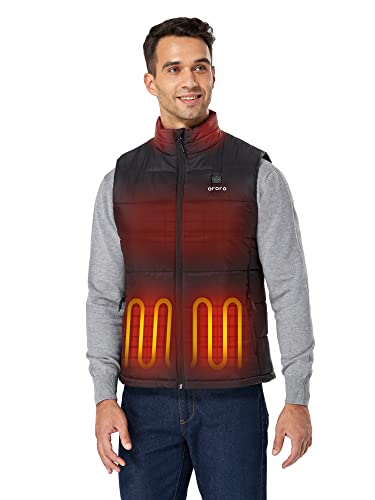 ORORO
ORORO Heated Vest
A vest warms the torso while keeping arm bulk down, which makes it the safest first heated layer for many deer hunters.
As an Amazon Associate, ProHuntingHacks may earn from qualifying purchases.
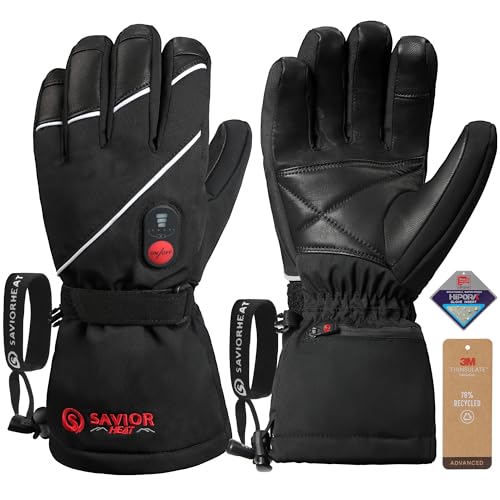 SAVIOR HEAT
 Heated Gloves
Heated gloves protect dexterity during long stationary sits and repeated gear handling.
As an Amazon Associate, ProHuntingHacks may earn from qualifying purchases.
 ZUOYI
Rechargeable Heated Hunting Socks
Heated socks add targeted warmth where even insulated boots can struggle after hours of low movement.
As an Amazon Associate, ProHuntingHacks may earn from qualifying purchases.
 HotHands
 Body and Hand Warmers
Disposable warmers are cheap insurance when batteries die, temperatures drop, or a guest hunter forgets gear.
As an Amazon Associate, ProHuntingHacks may earn from qualifying purchases.
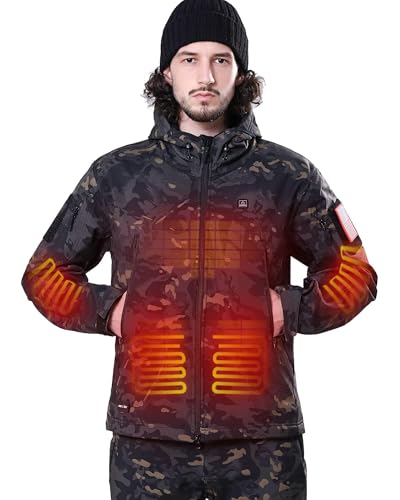 DEWBU
DEWBU Heated Hunting Jacket
A camo heated shell can simplify the kit for blind and stand hunters who want one obvious cold-weather outer piece.
As an Amazon Associate, ProHuntingHacks may earn from qualifying purchases.
How We Chose These Heated Hunting Gear Picks
I filtered these picks around cold-weather hunting jobs rather than generic winter comfort. A heated vest that works under a quiet shell is more useful to a whitetail hunter than a bulky garment that looks impressive indoors. Heated gloves have to preserve enough dexterity to handle calls, optics, releases, safeties, and zippers. Heated socks have to fit inside real boots without strangling circulation.
The other filter is failure management. Batteries run down. A hunter sweats on the way in. Wind finds seams. Product pages make everything look easy. The gear below is organized by how I would actually build a late-season kit: a controllable core layer, targeted hand and foot warmth, then low-tech backup heat that does not need a charging cable.
Best Heated Hunting Gear Reviewed
1. Venustas Heated Vest — Best Overall Heated Jacket
Best for: cold stand hunters who want a simple heated outer piece for long sits
This is the outer-layer style pick for hunters who want one obvious warmth piece for a ladder stand, box blind, or short walk into a late-season set. The value is not just heat; it is having the battery, panels, and shell working together so you can settle in without rebuilding your whole layering system at the tree.
Setup note: Wear a moisture-wicking base and light fleece under it, then test the zipper, cuffs, and shoulder movement with the exact bibs or harness you hunt in. If it feels tight at the truck, it will feel worse once you are clipped in and holding still.
Tradeoff: A heated outer piece is less flexible if you hike far, climb aggressively, or need to dump heat on the way in.
Bottom line: Choose this when your hunt is mostly stationary and your biggest failure point is leaving early because your core cools down.
2. ORORO Heated Vest — Best Heated Vest
Best for: mobile deer hunters who want core heat without sleeve bulk
A heated vest is usually the cleanest first powered layer because it warms the torso without adding bulk through the arms. That matters for bowhunters, saddle hunters, and anyone who still needs quiet draw movement, pack-strap comfort, or room under a shell.
Setup note: Put the vest over your base or thin midlayer and under a quiet wind-blocking shell. Run it low while you are settling in, then bump it up once movement slows and your sweat has dried.
Tradeoff: It is not a weather shell. In wind, sleet, or brush, it needs an outer layer doing the quiet/weather work.
Bottom line: If I were buying one powered piece first for a flexible Midwest deer kit, this is the category I would start with.
3. SAVIOR HEAT Heated Gloves — Best Heated Gloves
Best for: hunters whose hands go numb before the rest of the body gives up
Cold fingers cost more than comfort. They make you fumble release straps, remotes, zippers, glass, and safety controls. These heated gloves make the most sense for rifle hunters, predator callers, and blind hunters who handle gear repeatedly but do not need ultra-thin trigger or release feel all day.
Setup note: Test them with your actual weapon, call remote, phone, and optic controls. If you bowhunt close-range whitetails, consider using these while waiting and switching to a thinner glove or muff setup before the shot window gets serious.
Tradeoff: Any heated glove with real insulation can cost you fine dexterity. Warmth is useful only if you can still operate quietly.
Bottom line: Use them when finger function is the hunt limiter; skip them if your style demands bare-hand-level feel.
4. Rechargeable Heated Hunting Socks — Best Heated Socks
Best for: long-sit hunters who consistently lose toe warmth
Feet are where a good sit quietly dies. Heated socks can help when insulated boots are not enough, especially in metal stands, frozen blind floors, or damp late-season conditions where circulation slows after the first hour.
Setup note: Try them inside your actual cold-weather boots before hunting. You want room to wiggle toes after the sock and battery pocket are in place. If the boot feels snug, size or sock thickness is the problem—not the heat setting.
Tradeoff: Thicker socks can make cold feet worse if they compress circulation. They also add another battery system to manage.
Bottom line: They are worth it for toe-cold hunters, but only when boot fit still leaves circulation room.
5. HotHands Body and Hand Warmers — Best Backup Warmers
Best for: backup warmth for every cold-weather pack, truck box, and guest kit
Disposable warmers are not glamorous, but they are still part of a serious cold-weather kit. Batteries fail, guests forget gear, and weather changes. A few warmers in the pack can save a sit without adding a charging routine.
Setup note: Keep them sealed until needed, stash extras in the truck, and use them as insurance rather than as your whole insulation plan. They are especially useful in a hand muff, inside an outer pocket, or as emergency backup for a youth or guest hunter.
Tradeoff: They are consumable, less adjustable, and not a substitute for dry layers and wind protection.
Bottom line: Carry these even if you run powered gear. Redundancy beats optimism in late-season weather.
6. DEWBU Heated Hunting Jacket — Best Camo Heated Shell
Best for: hunters who want camo, heat, and shell utility in one outer garment
The DEWBU-style camo heated shell is for hunters who want a dedicated hunting-looking outer layer instead of stacking a civilian heated vest under separate camo. That can be convenient in blinds, gun seasons, and short-entry stand setups.
Setup note: Use it when the walk is short enough that overheating is not a major risk. If you hike in hard, carry it or run it open until you cool down, then turn heat on after you settle.
Tradeoff: A full heated shell is the least modular option. If weather or activity changes, a vest-under-shell system adapts better.
Bottom line: Pick this for simple cold sits, not for high-output mobile hunting where layering flexibility matters more.
How to Build a Heated Hunting Layering System
Walk in cooler than you want to sit
The biggest heated-gear mistake is turning everything on before you are settled. If you sweat into your base layer on the walk in, the heated vest becomes a rescue tool instead of a comfort tool. Walk in with vents open and heat off or low. Once your breathing settles and your moisture starts to stabilize, then use powered heat to hold the line.
Put active heat where insulation can trap it
Powered panels work best when they are close enough to warm your body and covered by enough insulation to keep wind from stripping that heat away. A heated vest under a quiet shell often beats a heated shell worn over thin layers, especially for mobile hunters who need flexibility. Box-blind and short-walk hunters can get away with a warmer outer piece because they are not dumping heat on a long approach.
Separate comfort warmth from shot-window function
Warm hands are good. Functional hands are better. A glove that keeps you comfortable but makes a release, trigger, remote, or binocular focus wheel awkward is a problem. For bowhunting, many hunters are better served by a muff and thinner glove during the shot window. For rifle, blind, and predator calling setups, heated gloves can make more sense because the handling needs are different.
Leave room for circulation in your boots
Feet get cold from exposure and from poor circulation. Heated socks can help the first issue and worsen the second if they make your boots tight. Before you trust them on a hunt, put them in the boots you actually wear, stand around for a while, and make sure you can still wiggle your toes. A lower heat setting with good circulation beats high heat inside a compressed boot.
Best Use Cases by Hunt Type
All-day rut stand
Prioritize a heated vest or jacket, quiet outer shell, hand warmth, and a backup warmer stash. Runtime matters because you may sit through long dead windows before movement picks up.
Box blind or enclosed blind
A heated jacket or socks make more sense here because bulk and movement are less punishing. Bring spare batteries because it is easy to sit longer than planned when you are comfortable.
Saddle or mobile whitetail
Use a heated vest under a packable shell. Avoid bulky sleeves and gloves that interfere with climbing, tether work, or quiet draw movement.
Predator calling
Heated gloves earn their keep when you are touching calls, remotes, optics, and shooting supports in short bursts. Dexterity still matters, so test controls before the set.
Battery, Runtime, and Safety Notes
Charge batteries the night before and connect everything at the truck before you walk away from your backup plan. Keep battery packs protected from metal objects, moisture, and hard impacts. If one panel feels unusually hot or a wire pocket feels wrong, shut the garment down and inspect it before using it again.
Use heat in pulses on long sits. Low or medium is usually enough once insulation is trapping warmth. Save high heat for the final hour, a hard wind shift, or the moment you feel your focus slipping. A dead battery at noon is not a system; it is extra laundry with wires in it.
Common Buying Mistakes
- Buying the warmest item instead of the right layer: A heated vest under a good shell often beats a bulky heated jacket for mobile hunters.
- Ignoring fabric noise: Crinkly shells and stiff battery pockets are a close-range deer problem.
- Trusting runtime claims blindly: Wind, temperature, heat setting, battery age, and fit all change real performance.
- Making boots too tight: Thick heated socks can reduce circulation and make cold feet worse.
- Skipping backup heat: Electronics fail. Carry passive warmth that still works when a cable, switch, or battery does not.
Quick Comparison Recap
Use this table after you understand the role each heated layer plays. It is a recap, not the first thing you need to read.
| Product | Best Use | Why It Wins | Amazon |
|---|---|---|---|
| Venustas Heated VestBest Overall Heated Jacket | Cold treestand and box-blind hunters who want outer-layer warmth | A hunting-specific heated jacket gives core heat, weather protection, and enough field utility for late-season sits. | View on Amazon |
| ORORO Heated VestBest Heated Vest | Mobile hunters who want core heat under a quiet shell | A vest warms the torso while keeping arm bulk down, which makes it the safest first heated layer for many deer hunters. | View on Amazon |
| SAVIOR HEAT Heated GlovesBest Heated Gloves | Predator callers, rifle hunters, and cold-finger stand hunters | Heated gloves protect dexterity during long stationary sits and repeated gear handling. | View on Amazon |
| Rechargeable Heated Hunting SocksBest Heated Socks | Hunters whose feet get cold during long stand sits | Heated socks add targeted warmth where even insulated boots can struggle after hours of low movement. | View on Amazon |
| HotHands Body and Hand WarmersBest Backup Warmers | Every cold-weather kit as a non-powered safety net | Disposable warmers are cheap insurance when batteries die, temperatures drop, or a guest hunter forgets gear. | View on Amazon |
| DEWBU Heated Hunting JacketBest Camo Heated Shell | Hunters who want a dedicated camo heated outer layer | A camo heated shell can simplify the kit for blind and stand hunters who want one obvious cold-weather outer piece. | View on Amazon |
Related Guides
FAQs
Is heated hunting gear worth it?
It is worth it when cold ends your sits early or makes you move at the wrong time. Heated gear is most valuable for stationary hunts, late-season deer sits, box blinds, predator calling, and hunters with cold-sensitive hands or feet.
What heated gear should hunters buy first?
Most hunters should start with a heated vest because it warms the core without adding sleeve bulk. If your hands or feet are the reason you quit early, heated gloves or socks may be the better first purchase.
Can heated gear replace normal layering?
No. Heated gear works best as part of a layering system: moisture-wicking base layer, insulating midlayer, weather-blocking outer layer, and controlled powered heat where it helps most.
Are heated gloves too bulky for hunting?
Some are. Choose based on your weapon, release, call, optics, and how much finger control you need. For close-range bowhunting, a hand muff with thinner gloves can be better than bulky heated gloves.
How long do heated hunting gear batteries last?
Runtime depends on battery size, heat setting, wind, temperature, and garment design. Use lower settings early, save high heat for prime movement windows, and carry a backup battery or non-powered warmers for all-day sits.
Final Recommendation
The best heated hunting gear setup is practical, not maximal. Start with core heat, protect the body parts that end your sits early, and keep a passive backup in the pack. For most cold-weather deer hunters, a heated vest under a quiet shell plus hand or foot support is the most flexible first system.