
Late-season hunting has a simple problem: deer may still move, but cold hunters usually quit first. The ArcticShield Cold Weather Body Insulator Suit is built for that exact moment when you are already in the stand, the wind has settled in, and normal layers are not enough to keep you still.
On a real cold sit, the failure usually comes in pieces. First your toes start getting honest with you. Then your knees stiffen, your hands leave the muff too often, and every little adjustment sounds louder than it should. A body-insulator suit is not glamorous gear, but it attacks that exact chain reaction.
This refresh keeps the article focused on what the suit actually does well: extending stationary sits in brutal conditions. It is not a walking layer, a rain suit, or a replacement for good boots and gloves. It is a packable insulated cocoon for hunters who need to stay quiet and comfortable through the dead hours of a cold day.
Quick Gear Check: ArcticShield Body Insulator
For this article, the ArcticShield stays as the primary recommendation: a specialized warmth layer for hunters who sit still through bitter late-season conditions.
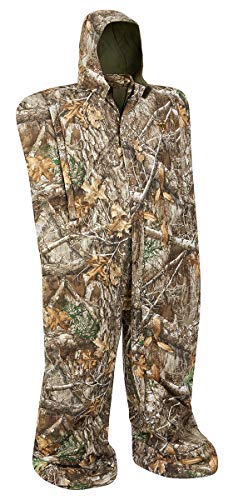 ArcticShield
 Body Insulator Suit
A packable insulated cocoon that goes over your regular layers, helping you stay still longer without replacing your whole clothing system.
As an Amazon Associate, ProHuntingHacks may earn from qualifying purchases.
Who the ArcticShield Body Insulator Is Really For
The ArcticShield makes the most sense for hunters who spend long blocks of time in one place: ladder stands, box blinds, ground blinds, and late-season ambush setups. If your hunt depends on sitting through the coldest hours without shifting, stomping your feet, or calling it early, this is the kind of layer that can change the day.
I think of it as a stand commitment tool. If you are walking into one good set before daylight, expecting a north wind, and planning to stay until deer movement gives you a reason to climb down, this kind of over-layer makes sense. It is especially useful when your route to the stand is warm enough to work up sweat, but the actual sit is cold enough to punish you once that sweat cools.
It is less useful for hunters who cover ground. If you still-hunt, stalk, or climb in and out of multiple setups, the bulk becomes a liability. Treat it like a sleeping-bag-style stand layer, not like a jacket-and-bib system you wear all morning.
Deer-camp reality check: This is not the layer you brag about because it looks sleek. It is the layer that keeps you from climbing down at 9:40 when the weather finally starts making mature deer comfortable.
Why Staying Warm Changes the Hunt
Cold does not just make hunting uncomfortable. It makes you move at the wrong time. Once your feet and legs get chilled, you start shifting, checking the clock, and bargaining with yourself about when to leave. That is when a good sit turns sloppy.
The practical value is stillness. A deer that never knows you are there does not care how expensive your camo is, but it absolutely notices the shoulder roll, boot scrape, or zipper fight that happens when you are trying to survive the last hour of daylight.
The value of the ArcticShield suit is that it lets you settle in after the walk, trap heat around your regular clothing system, and stay still longer. For late muzzleloader, rifle, or all-day rut sits in exposed timber, that extra comfort window can matter more than one more gadget in the pack.
Field Setup: How to Use It Without Fighting It
- Carry it in, do not hike in it. Pack the suit to the stand or blind and put it on after you cool down from the walk. Wearing it too early can make you sweat, which works against you once you stop moving.
- Keep your base system sensible. Start with moisture-managing base layers, a quiet mid-layer, and weather-appropriate outerwear. The suit works best as the final heat-retention shell over a system that is already dry and quiet.
- Stage it before prime time. Get it out of the pack before the last-light window, not after you see deer filtering through cover. Quiet fabric is still not silent if you are wrestling it open on a metal platform.
- Practice entry before the cold sit. Big zippers and a roomy footbox help, but you still want the process familiar before you are dealing with gloves, low light, and a narrow stand platform.
- Plan your shot position. The suit is roomy, but it is still a specialized stationary layer. Know how you will unzip, stand, shoulder the rifle, or draw before a deer steps out.
Small habit that helps: After you get seated, pause before zipping everything tight. Let the heat from the walk bleed off for a few minutes, then seal up for the long sit. Dry warmth beats trapped sweat every time.
What Works Well
- Warmth during long sits: The cocoon design helps hold heat around your legs and feet, which are usually the first places to fail on late-season stands.
- Boot-friendly lower section: You can keep insulated hunting boots on instead of changing footwear in the stand.
- Stand-focused features: Arm openings, shoulder support, and a harness-compatible slot make it more practical than a generic blanket or sleeping bag.
- Packable enough for the job: It is bulky compared with a jacket, but reasonable for hunters who are walking to one serious cold-weather setup.
- Good late-day insurance: The biggest benefit may be mental. When you are not thinking about getting warm, you make better decisions about staying through the movement window.
What to Watch Before Buying
- It is not for mobile hunting. If your plan involves covering ground, glassing from several spots, or making frequent moves, this is the wrong tool.
- Bulk is part of the tradeoff. The warmth advantage comes from carrying a dedicated stand layer. Make sure your pack setup can handle it.
- Fit matters with heavy layers. Size with your real cold-weather clothing in mind, especially if you wear bulky bibs or large insulated boots.
- Noise discipline still matters. Practice the zipper and movement sequence before relying on it in close-range whitetail cover.
- It will not fix wet base layers. If you sweat on the walk in or let snow soak your cuffs, the suit has to fight a problem your layering system should have prevented.
How It Fits Into a Cold-Weather Hunting System
The ArcticShield is not the whole system. It is the final layer that helps the rest of the system last longer. Start with dry base layers, add quiet insulation, then make sure your hands and feet are covered by gear that can handle the same weather window.
A simple way to think about it: walk in wearing enough to stay comfortable while moving, then add the body insulator after your breathing settles. That keeps your base layers drier and gives the suit a better chance to hold warmth once the sit turns static.
If cold hands are usually what ends your hunt, compare dedicated options in the best cold weather hunting gloves guide. If your feet fail before anything else, pair this kind of stand layer with the right boot system from the best cold weather hunting boots roundup. For broader season prep, the main hunting gloves and hunting boots guides are better starting points.
Best Use Cases
- All-day rut sits when deer may move at midday.
- Late muzzleloader or rifle hunts from a fixed stand.
- Box blind sits where warmth matters more than mobility.
- Cold, windy mornings where normal bibs and jackets are not enough.
- Hunters who want to stay on stand instead of retreating to the truck during the slow hours.
- Evening food-source watches where the best deer movement may happen after your body has already been cold for two hours.
Quick Comparison Recap
Since this is a one-product recommendation, the table works best as a recap instead of interrupting the main review. Use it as the short version: the ArcticShield is a stationary warmth tool, not a general cold-weather outfit.
Quick Comparison Recap: ArcticShield Body Insulator
A compact recap of where the suit fits best after the field-use details above.
| Product | Best Use | Why It Wins | Amazon |
|---|---|---|---|
| ArcticShield Body Insulator SuitBest for late-season stationary sits | All-day treestand or blind hunts when movement is limited and wind chill is the hunt-killer. | A packable insulated cocoon that goes over your regular layers, helping you stay still longer without replacing your whole clothing system. | View on Amazon |
Final Verdict
The ArcticShield Body Insulator Suit remains a strong fit for a very specific hunter: someone who sits still in serious cold and wants to extend the hunt without rebuilding every layer they own. It is not subtle, sleek, or useful for moving all day. It is a purpose-built comfort tool for stationary cold-weather hunting.
If your late-season hunts usually end because your legs and feet give out before the deer movement does, this suit earns its place. Pair it with good gloves, warm boots, and a disciplined layering system, and it can turn a short miserable sit into the kind of all-day watch that actually gives you a chance.